
Stator Wear Patterns and What They Reveal About Pump Performance
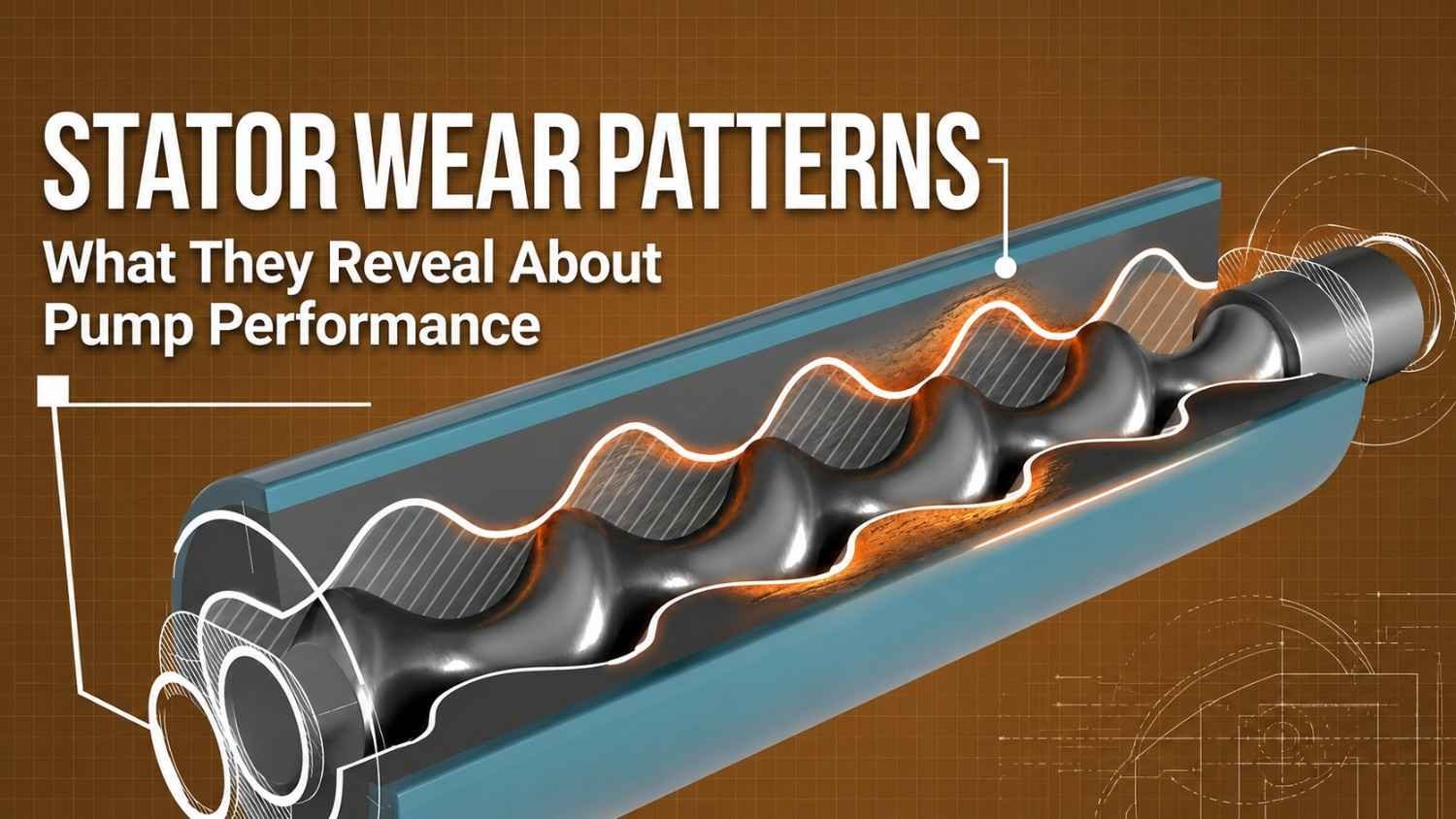
In progressive cavity pumps, the stator is one of the most critical components affecting efficiency, flow consistency, and overall pump life. While stator wear is inevitable over time, the pattern of wear can provide valuable insights into pump performance and operating conditions.
Understanding these wear patterns helps identify potential issues before they lead to reduced efficiency or unexpected downtime.
Why Stator Wear Analysis Matters
A worn stator does more than reduce component life. It can directly impact:
- Pump efficiency
- Flow rate consistency
- Energy consumption
- Maintenance frequency
- Overall equipment reliability
Regular inspection of wear patterns can help prevent costly failures and improve maintenance planning.
Common Stator Wear Patterns
Uniform Wear
Uniform wear across the stator surface is generally considered normal and indicates balanced operating conditions.
This typically suggests:
- Proper rotor stator fit
- Correct operating speed
- Suitable material selection
- Stable process conditions
Uniform wear often results in predictable maintenance intervals.
Localized Wear
Localized wear can accelerate stator failure if left unaddressed.
Excessive wear in specific areas may indicate:
- Rotor misalignment
- Improper installation
- Uneven loading conditions
- Excessive vibration
Abrasive Wear
Applications involving slurry, sand, or solid particles often show abrasive wear patterns.
Common indicators include:
- Surface scoring
- Grooves along the stator profile
- Material erosion
This usually points to highly abrasive media or insufficient wear resistant compound selection.
Heat Related Degradation
High operating temperatures can cause:
- Hardening of elastomer compounds
- Surface cracking
- Loss of elasticity
Heat related wear often reduces sealing efficiency between the rotor and stator, affecting pump performance.
Chemical Attack
Certain chemicals can cause:
- Swelling
- Softening
- Surface deterioration
When these signs appear, material compatibility should be reviewed to ensure the stator compound is suitable for the process media.
What Wear Patterns Reveal About Pump Performance
Stator wear often acts as an early warning indicator.
Common observations include:
- Increased wear – Reduced volumetric efficiency
- Surface damage – Higher energy consumption
- Swelling or degradation – Material compatibility issues
- Uneven wear – Mechanical alignment concerns
Identifying these signs early can help prevent unplanned downtime and costly repairs.
Best Practices to Extend Stator Life
To maximize stator performance:
- Select compounds suitable for the application
- Monitor operating temperatures
- Evaluate media abrasiveness
- Maintain proper rotor alignment
- Conduct routine inspections
Working with an experienced stator manufacturer can also help optimize material selection and pump performance.
Stator wear patterns provide valuable information about the health and efficiency of a progressive cavity pump. Regular inspection and analysis can help identify operating issues, improve maintenance planning, and extend component life.
-
Facebook
-
Linkedin
-
Youtube