Rubber Sleeves & Seals for Pumps and Valves — A Buyer's Guide
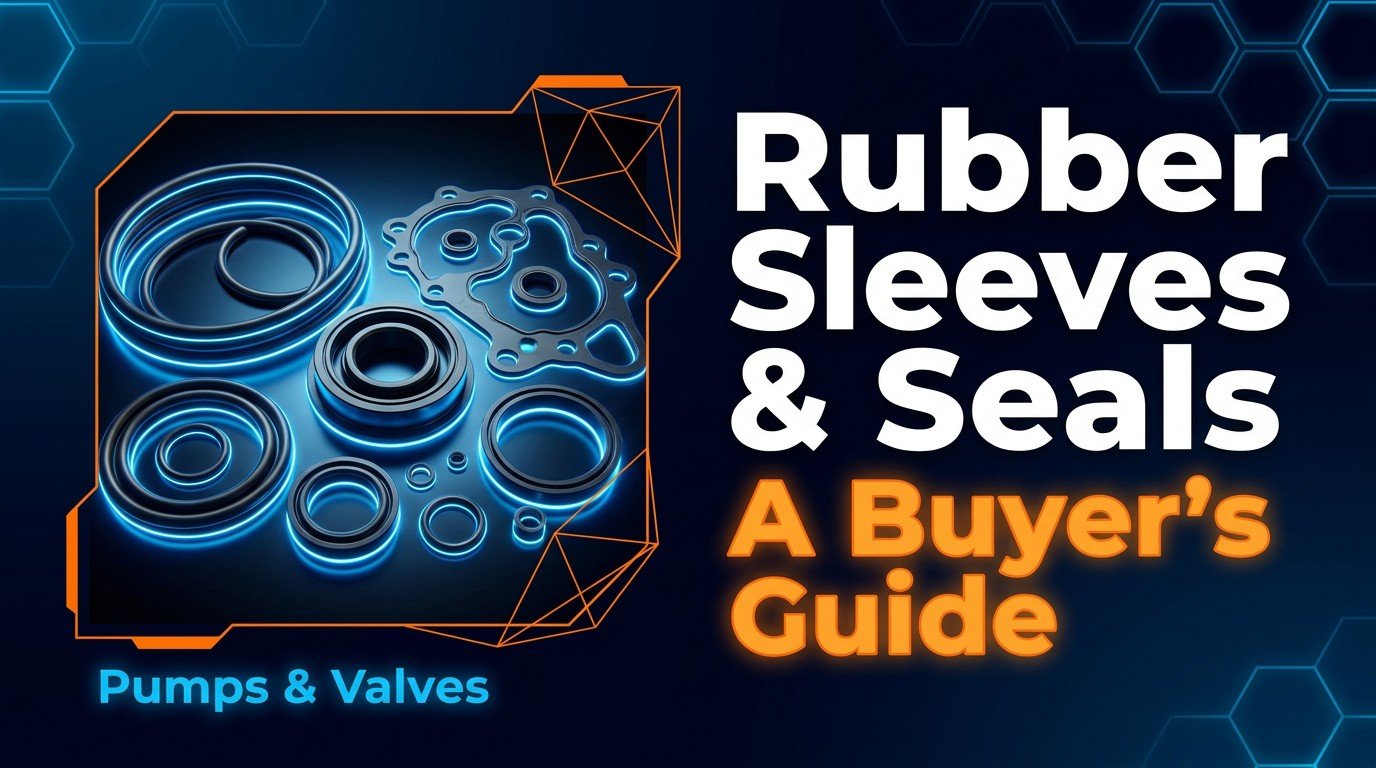
Rubber sleeves and seals play a vital role in ensuring the efficiency and reliability of pumps and valves. They help prevent leakage, absorb vibration, protect internal components, and maintain consistent sealing under varying operating conditions.
Choosing the right sleeve or seal is essential to reduce maintenance, improve equipment life, and avoid unexpected downtime.
What Are Rubber Sleeves & Seals?
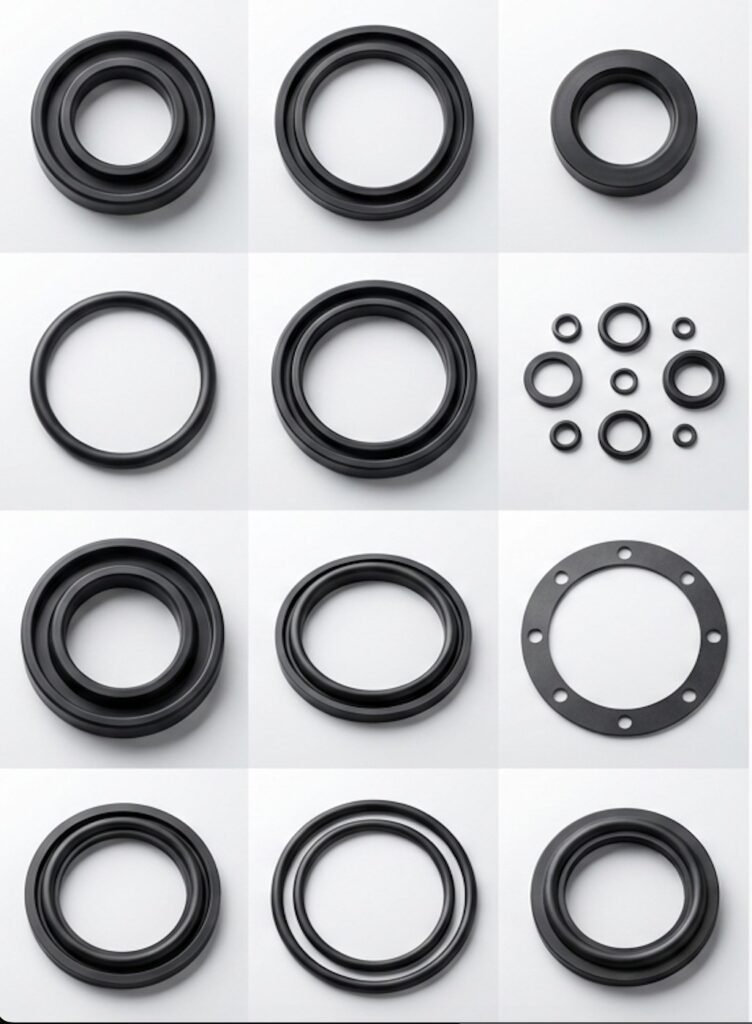
Rubber sleeves are flexible protective components that provide cushioning, sealing and wear resistance. Rubber seals create a secure barrier between mating surfaces to prevent fluid or gas leakage.
These components are commonly used in:
- Industrial pumps
- Control and process valves
- Water treatment systems
- Chemical processing equipment
- Oil & gas applications
- Food & beverage machinery
Key Factors Buyers Should Consider
Before selecting rubber sleeves or seals, evaluate the following:
Material Compatibility
The rubber compound should be compatible with the operating media.
Common materials include:
- NBR – Excellent oil and fuel resistance
- EPDM – Suitable for water, steam, and outdoor environments
- Viton (FKM) – High temperature and chemical resistance
- Silicone – Ideal for food grade and high temperature applications
Operating Conditions
Consider:
- Operating pressure
- Temperature range
- Chemical exposure
- Abrasion levels
- Frequency of operation
Choosing the correct material improves service life and sealing performance.
Dimensional Accuracy
Precision manufacturing is critical for proper installation and effective sealing.
Look for components with:
- Tight dimensional tolerances
- Consistent wall thickness
- Uniform finish
- Reliable fit with mating components
Durability & Wear Resistance
High quality rubber compounds help minimise:
- Premature wear
- Cracking
- Hardening
- Compression set
- Seal deformation
This results in lower maintenance costs and fewer equipment failures.
Typical Applications
Rubber sleeves and seals are widely used in:
- Centrifugal pumps
- Progressive cavity pumps
- Diaphragm pumps
- Pneumatic valves
- Butterfly valves
- Gate valves
- Ball valves
- Industrial processing equipment
Questions to Ask Your Supplier
Before placing an order, buyers should confirm:
- Can the component be manufactured to custom drawings?
- Which rubber materials are recommended for the application?
- Are custom sizes and profiles available?
- What quality inspections are performed?
- Can material certifications or test reports be provided?
- What are the lead times for production?
These questions help ensure the selected components meet both performance and quality requirements.
Selecting the right rubber sleeves and seals involves more than choosing the correct dimensions. Material selection, operating conditions, manufacturing accuracy, and quality control all contribute to reliable sealing performance and longer equipment life. Working closely with an experienced manufacturer can help ensure components are tailored to the application’s specific requirements.