Blog

All About EPDM Rubber – Properties, Applications, and Uses

All About EPDM Rubber – Properties, Applications, and Uses

What is EPDM Rubber?         

EPDM Rubber (Ethylene Propylene Diene Monomer rubber) is one of the most commonly used synthetic rubbers these days. The properties of EPDM rubber is any material that is produced using petroleum products. Synthetic rubbers are used for various applications and can be molded to make all kinds of products, from tiny spare parts to humongous tires!

Did you know that the global EPDM rubber market size was 1718 kilotons in 2021? It is projected to grow to 2338 kilotons in 2026! While the automotive sector is the largest user of EPDM, it is also used widely in other areas like heating and cooling industries, refineries, food and beverage industries, chemical industries, and more.

Under the A S TM International standards, EPDM is listed as an M-Class rubber. This M-class includes EPDM and all other elastomers that contain the saturated chain of a ubiquitous polymer called polyethylene.

As the name suggests, EPDM rubber is made of three major components – ethylene, propylene, and Diene Monomer.

Arvico Rubber offers its components in different types of rubbers, and EPDM is one important kind. A lot of our customers choose EPDM rubber for its various beneficial properties.

Whatsapp Us for Rubber Products Manufacturer & Supplier in India

Properties of EPDM

Check out some of the critical properties of EPDM that will help you choose between this and other types like silicone, butyl, or nitrile.

PropertiesIndustry values
Hardness Range (Durometer ‘A’)40-90
Tensile Strength (psi)3000
Specific Gravity0.86
Heat Aging180 degrees Celsius
Elongation post-fractureMore than 300%
Service temperature (minimum to maximum)-50 degrees Celsius to +150 degrees Celsius

Apart from these, there are other properties of EPDM rubber you should be aware of.

  • The molecular structure of the rubber is made of a single bond. This means that it is extremely resistant to external conditions, and factors like UV rays cannot break this bond as easily as double bonds.
  • EPDM is also blessed with low electrical conductivity. This makes it a perfect choice to adhere to other metals.
  • EPDM rubber also can insulate from external noises. This is why it is being commonly used in the automotive industry.
  • The density of EPDM rubber can be between 0.90 to >2.00 g/cm3.

EPDM Rubber Applications and Uses

There are so many industrial uses due to properties of EPDM rubber, and it has become a common choice for components that would be exposed outdoors to wind, rain, UV rays, and other external factors. Here are some of the uses you should know of.

Construction – In construction industries, EPDM are favorite choices as roofing membranes and come in different widths and thicknesses.

Automotive – In the automotive industry, you can see this polymer being used generously for various purposes, including as sealants, harnesses for wires and cables, seals, bumpers, and even in brake systems. Most wiper blades are also made of EPDM rubber.

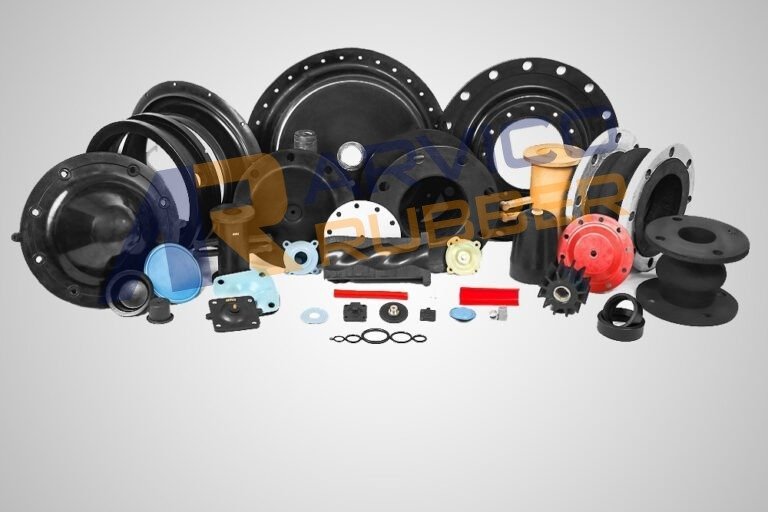
Manufacturing industries – Manufacturing industries use various Arvico Rubber’s components like diaphragms, O-Rings, seals, valves, and gaskets. They choose these components in EPDM rubber because of their favorable properties. Check out our products page. You will be able to customize any of these in EPDM.

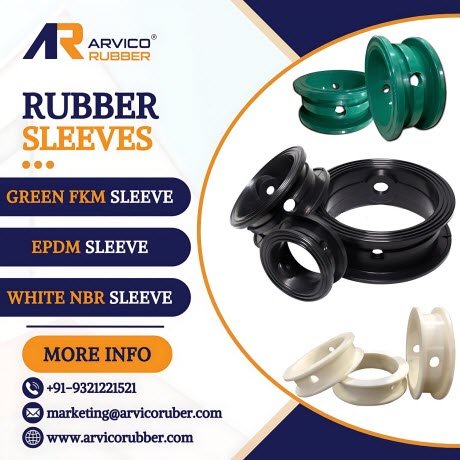
HVAC – The Heating Ventilation and Air Conditioning industry also uses EPDM rubber to make its gaskets, seals, insulation parts, PTFE, sleeves or seat rings, rubber stators, hoses, and tubing. This material is preferred for its weather-resistance properties.

Other uses – Other than the above industries, EPDM may be used for a variety of other applications, including the following.

  • As insulators for electrical wires and applications
  • As an elastic element in straps, hangers, tie-downs, and cords
  • As solar panel elements to collect heat
  • In vibrators and belts to reduce noise
  • EPDM granules are mixed with flooring agents to add grip and stability while walking
EPDM

Advantages of Choosing EPDM

There are so many reasons why clients prefer having their components made out of EPDM. Some of the benefits are:

  • Excellent insulation properties, making it a perfect choice as sealants and insulators in electrical appliances.
  • Excellent vulcanizing properties, making the rubber resilient, tough, elastic, and viscous.
  • Excellent acid resistance (both concentrated and diluted), making this rubber a perfect choice for components used in chemical, pharmaceutical, and fertilizer industries.
  • Excellent abrasion resistance, giving the rubber long life.
  • Excellent resistance to oxidation. Oxidation is a natural process where the rubber reacts to oxygen and starts aging. Oxidation resistance improves the life of the material.
  • Excellent resistance to ozone damage, making this a perfect choice to use outdoors.
  • Excellent ability to manage extreme temperature changes.
  • Excellent adhesion to metals and fabrics.
  • Excellent tear and abrasion resistance, so you can use PDM components in rough conditions.
  • EPDM rubber can also be fire resistant, adding to the safety of your unit.

Are there any disadvantages of EPDM Rubber?

 EPDM rubber may not be a good choice in petroleum-based industries as it breaks down faster when exposed to petroleum products.

Call Us for EPDM Rubber

Conclusion

A mid-range manufacturing company may need thousands of rubber components to function seamlessly. Each of your processes may need components made of the right type of polymer too. EPDM rubber is definitely a popular choice out there.

EPDM rubber offers many advantages to our clients’ production lines and lasts really long. If your components are to be installed outdoors, EPDM is perfect for the reasons stated above. However, make sure you explore the other types in the market too and ensure you choose the best material of all. Arvico Rubber offers components in other materials too, including Natural, Nitrile, Neoprene, Hypalon, Silicone, Butyl, Teflon, and Polyurethane.

Our experts from Arvico Rubber will be able to help you out with the right component material choice depending on your specific requirements.

Feel free to get in touch with us to know more.

All About EPDM Rubber – Properties, Applications, and Uses Read More »

Rubber Diaphragm Exporter

All You Need to Know About Rubber Diaphragm

Introduction

If you work in an industrial setting or run one, there is no way you haven’t heard of a rubber diaphragm. These very humble components find usage in many applications across various industries. Some vital processes may not function without diaphragms in place, and at times, when the quality of these components is not up to the mark, the risk of contamination, hazardous blowups, and equipment damage are all very high. 

What is the Rubber Diaphragm?

A rubber diaphragm is simply a membrane added between chambers to act as a sealant. In some cases, rubber diaphragms can prevent substances in two different chambers from mixing with one another. In other cases, it can also allow flow control using its shape.

A diaphragm is often round in shape, and the rubber used to create the component is flexible. The diaphragm is anchored at the periphery and the centre part of the diaphragm can push out or pull back, depending on the pressure put on it.

You can imagine a diaphragm similar in working to that of a plunger. You have to exert mechanical force with a plunger to create a vacuum and then pull back. With diaphragms, the force exerted is usually pressure changes.

How does the Rubber Diaphragm Work?

The rubber diaphragm’s flexible material makes it respond to pressure changes. When pressure is exerted on the diaphragm’s body, it moves up to a chamber or is pushed back to the other chamber. Thanks to their ability to ensure a constant pressure differential, these components can also be used as a sealant or gasket in various pieces of equipment.

Whatsapp Us for Rubber Products Manufacturer & Supplier in India

How Much Force Can Rubber Diaphragms Handle?

Tensile strength is a term that talks about the resistance of any material to break under stress. In other words, it is the maximum pressure a substance can handle before breaking down under force. Now, tensile strength is an important term for a rubber diaphragm. Components will very low tensile strength may not handle the internal pressure and break or rip open halfway through.

Arvico Rubber uses multiple materials to create our diaphragms, and you may be able to choose the right material based on the required tensile strength.

Here is a list of common materials of rubber diaphragms and their tensile strength.

MaterialsTensile strength in psi
Natural Rubber3000
Nitrile Rubber3500
Neoprene Rubber3000
Hypalon Rubber2500
Butyl Rubber2000
EPDM Rubber3000
Silicone Rubber1100
Viton Rubber1800
Polyurethane Rubber4000

Our polyurethane rubber offers excellent tensile strength, abrasion resistance, and tear resistance. The EPDM rubber is also a great choice in components where the diaphragms need to handle high-pressure situations.

Types of Rubber Diaphragms

Depending on how these rubber diaphragms are used, there are two major categories you should know of.

  1. Rubber diaphragm valves
  2. Rubber diaphragm pumps

Rubber Diaphragm Valves

Diaphragm valves are components that can help control fluid flow by monitoring the direction and speed of fluid that flows through it. These valves contain a thin diaphragm-like structure that helps open and close the valve.

Arvico Rubber offers two types of diaphragm valves, including:

  • Weir or saddle diaphragm valve
  • Straight-through or full-bore diaphragm valve
  • Reverse diaphragm valve

We also have a dedicated exclusively to the working of diaphragm valves. So do check that out when you have the time.

Rubber Diaphragm Pumps

Diaphragm pumps are also called membrane pumps, and these help draw fluids from one chamber to another chamber, using pressure as a force. These diaphragm pumps act as seals, helping pumps to push fluids without the need for lubricants.

There are different types of pumps that may use Arvico’s diaphragms.

  • Air Operated Double Diaphragm Pumps (AODD)
  • Metering pumps
  • Membrane pumps
  • Dosing pumps
  • Vacuum pumps
  • Impellers

Advantages of Rubber Diaphragms

Here are some of the advantages a rubber diaphragm offers.

  1. Offers excellent sealing features.
  2. Good quality diaphragms offer airtight seals.
  3. Diaphragms are relatively very affordable than other sealant methods.
  4. Very low assembly cost and effort.
  5. Choosing the right material can ensure your diaphragm handles high temperature and pressure changes effectively.
  6. Certain materials of rubber diaphragms handle harsh environments amazingly well.
  7. Can be replaced easily without fuss.
  8. Diaphragms can be designed in literally any size and other specification required.
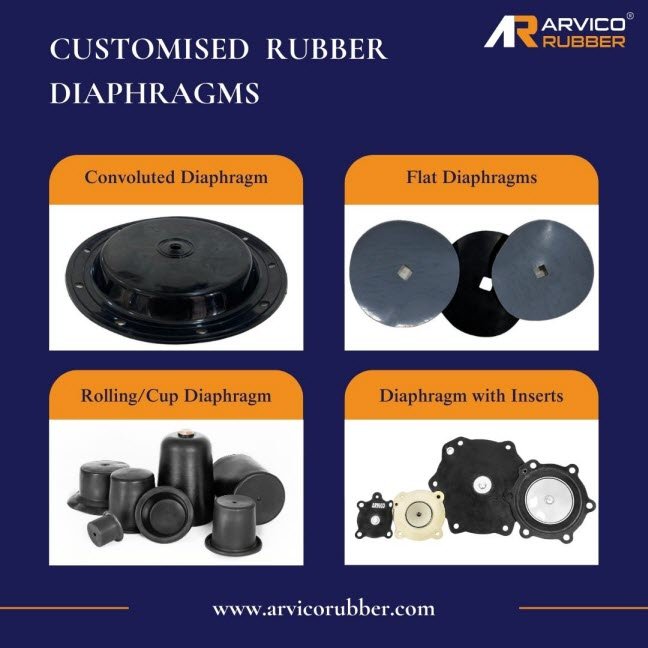
Customised rubber diaphragms

Disadvantages of Rubber Diaphragms

There may be certain disadvantages of rubber diaphragms that need to be addressed to use these components effectively.

  1. Using diaphragms in high-sludge applications may cause blockage.
  2. Diaphragms need to be changed regularly based on manufacturer recommendations. Otherwise, their effectiveness reduces.
  3. Picking up the wrong material can lead to breakage or damage to the diaphragm, causing contamination, leakage, and even worse, escape of hazardous materials.             

Rubber Diaphragm Selection Guide

Now, a rubber diaphragm may be a very small part of your expansive industrial setup. However, when this is not chosen right, you may have to end up with inefficient processes and damage to expensive equipment. So, before you decide on the type of diaphragm needed, try to answer the below questions.

  • What is the maximum temperature/pressure change the diaphragm has to handle?
  • Will your process include abrasive or chemical media that can damage the diaphragms?
  • How much force will the diaphragm be exposed to?
  • Are there any sanitary standards to be kept in mind?
  • Would you require higher flex lives?

Discuss these questions with your diaphragm manufacturer to pick the suitable material of rubber diaphragm for your needs.

We, at Arvico, do not proceed with the manufacturing process until we clearly understand the kind of diaphragm that will work the best for our client’s processes.

Where are Rubber Diaphragms Typically Used?

Rubber diaphragms are used in a variety of equipment and gadgets. Some of the common ones are mentioned below.

  • Pumps
  • Valves
  • Control devices
  • Meters
  • Modulating devices like regulators
  • As shock absorbers in pulsating systems and dashpots

It is also used in most industries like the ones below.

  • Chemical
  • Food and beverage
  • Textile
  • Pharmaceutical
  • Oil refineries
  • Medical and Life sciences

How to Install a Rubber Diaphragm?

Diaphragms are generally very easy to install and fit into the appropriate housing easily. You may need to contact your diaphragm manufacturer to understand how exactly their product is designed to be fixed. Most times, it does not take external help to install a rubber diaphragm.

diaphragms

Maintenance of Rubber Diaphragm

 The first step to maintaining your rubber diaphragm is to install it right. This, by itself, will give the component longevity. Most experts talk about ‘preventive maintenance,’ and we encourage our clients to do this too.

Preventive maintenance includes regularly checking for performance issues and physical damages without waiting for a problem to actually show up. Preventive maintenance is even more vital if your processes use abrasive or harmful media or extreme temperatures and pressures.

As a thumb rule, diaphragms need to be changed every couple of, despite whether or not they look damaged. So make sure changing diaphragms is in your staff’s to-do list at the right intervals.

What Media do Diaphragms Come in Contact With?

Depending on what application the diaphragms are used in, they may come in contact with so many different kinds of media, including water, oil, gases, chemicals, and other abrasive fluids. The type of rubber diaphragm and its material needs to be chosen depending on the media.

Where to Buy Rubber Diaphragms in India?

Arvico Rubber is one of the country’s leading polymer product manufacturers. We have 55+ years of experience in this industry, and our catalog includes 2500+ products that can be customized in endless ways, thanks to our 20,000+ molds.

All you need to do is reach out to us with your specifications, and our expert team will be able to recommend the right diaphragm for your needs.

Call Us for Rubber Diaphragm

Conclusion

If one tiny component plays a vital role in improving process efficiencies and safety in an industrial setup, it is a rubber diaphragm. If you think your manufacturing unit needs a positive revamp, then get in touch with us right now. If you are an original equipment manufacturer or seller, offer your customers the best possible products by choosing our quality diaphragms.


All You Need to Know About Rubber Diaphragm Read More »