Arindam Mallick

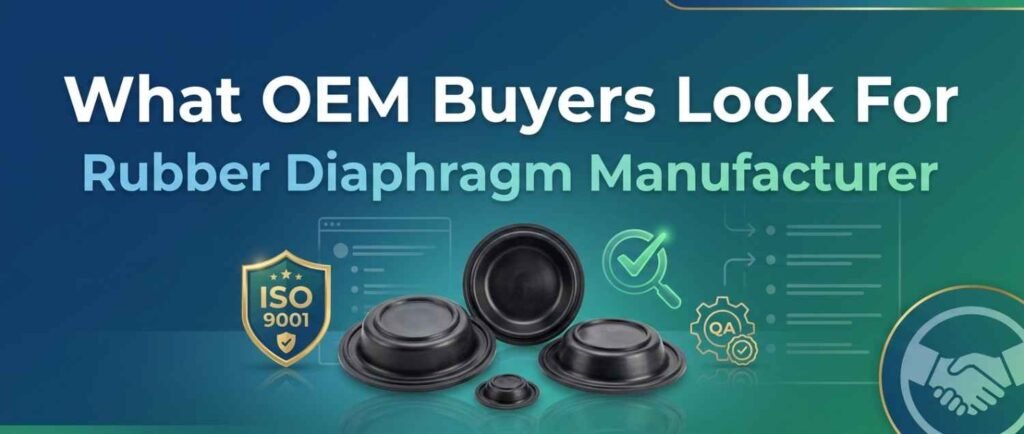
What OEM Buyers Look for in a Rubber Diaphragm Manufacturer

What OEM Buyers Look for in a Rubber Diaphragm Manufacturer
What OEM Buyers Look for in a Rubber Diaphragm Manufacturer

What OEM Buyers Look for in a Rubber Diaphragm Manufacturer

For OEMs selecting the right rubber diaphragm manufacturer is not just about pricing. Reliability, consistency, engineering capability, and long term performance play a much bigger role in supplier selection.

A diaphragm failure can impact the entire system, leading to downtime, leakage, and maintenance costs. This is why OEM buyers carefully evaluate manufacturers before finalizing partnerships.

1. Consistent Product Quality


OEM buyers expect consistency across every production batch. Even small variations can affect assembly fitment and product performance.

Key expectations include:

  • Dimensional accuracy
  • Consistent material properties
  • Reliable sealing performance
  • Uniform finishing and workmanship

2. Material Selection Expertise


Different applications require different elastomers depending on:

  • Temperature conditions
  • Chemical exposure
  • Pressure requirements
  • Dynamic or static operation

OEM rubber diaphragm buyers prefer manufacturers who can recommend the right compound rather than simply supplying standard products.

Common materials include:

3. Customization Capabilities


Many OEM applications require custom rubber diaphragm designs. Buyers often look for manufacturers capable of:

  • Developing custom molds
  • Optimizing diaphragm thickness
  • Providing fabric reinforced designs
  • Handling application specific requirements

Engineering flexibility is a major advantage.

4. Manufacturing & Quality Control


Strong manufacturing processes directly impact diaphragm reliability.

OEM buyers typically evaluate:

  • In house manufacturing capabilities
  • Process consistency
  • Testing procedures
  • Inspection standards
  • Traceability systems

Quality focused rubber components manufacturers help reduce rejection rates and operational issues.

5. Technical Support & Responsiveness


Apart from manufacturing, OEMs value suppliers who provide technical support during development and production stages.

This includes:

  • Application guidance
  • Material recommendations
  • Failure analysis support
  • Quick response times
  • After sales assistance

Long term partnerships are often built on responsiveness and problem solving capability.

6. Delivery Reliability


Production delays can affect the OEM’s supply chain and customer commitments.

Buyers prefer suppliers who can provide:

  • Consistent lead times
  • Production planning support
  • Timely deliveries
  • Reliable communication

Operational reliability is just as important as product quality.

7. Industry Experience & Credibility


OEM buyers often prefer manufacturers with proven industrial experience and application knowledge. A strong track record gives buyers confidence in long term supply stability.

Factors that build trust include:

  • Years of manufacturing experience
  • Existing industry presence
  • Export capabilities
  • Experience across multiple industries

OEM buyers look beyond just pricing when selecting a rubber diaphragm manufacturer. Product consistency, technical expertise, customization capability, and reliable support all play a critical role in supplier evaluation.

[wp_comments]

What OEM Buyers Look for in a Rubber Diaphragm Manufacturer Read More »
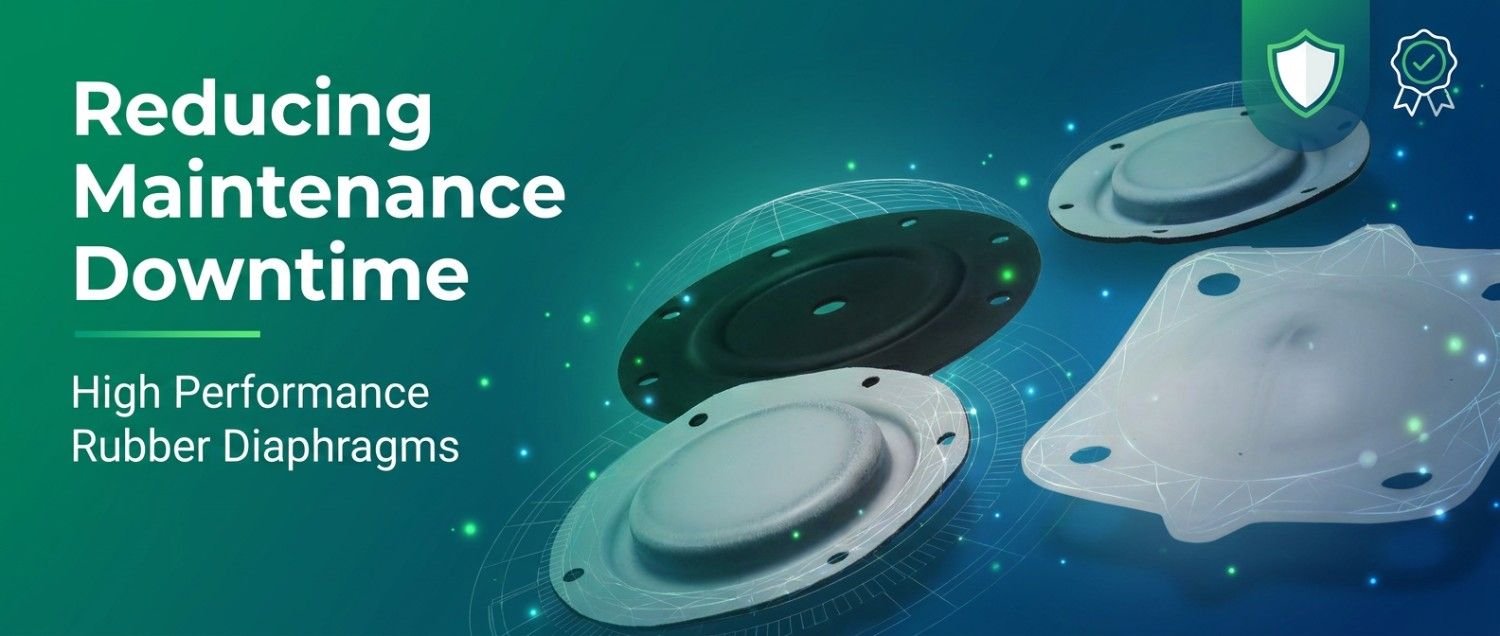
Reducing Maintenance Downtime with High Performance Rubber Diaphragms

Reducing Maintenance Downtime with High Performance Rubber Diaphragms

Reducing Maintenance Downtime with High Performance Rubber Diaphragms

Reducing Maintenance Downtime with High Performance Rubber Diaphragms

Repeated seal failures can lead to leakage, production downtime, and increased maintenance costs. A client approached Arvico after facing continuous sealing issues in a critical industrial application where standard sealing solutions were not delivering consistent performance.

Client’s Issue


The client was experiencing repeated seal failures within short operating cycles, resulting in:

  • Frequent leakage issues
  • Unplanned maintenance shutdowns
  • Increased replacement costs
  • Reduced equipment reliability

The existing seals were unable to withstand the operating conditions consistently.

The Challenge


The application involved a combination of mechanical stress, temperature exposure, and oil/gas compatibility challenges.

Major concerns included:

  • Premature seal wear
  • Compression set issues
  • Material degradation
  • Inconsistent sealing performance
  • Need for extended operational life

The client required a long term solution rather than repeated replacements.

Application & Operating Conditions


The seals were used in an industrial fluid handling system operating under continuous pressure and varying temperature conditions. The application involved exposure to process media that affected the performance of the existing elastomer compound. Frequent operational cycles also increased wear on the sealing components.

Arvico’s Solution


We conducted a detailed analysis of the application conditions, seal design, and material behavior. Based on the findings, both the seal geometry and elastomer compound were optimized to improve sealing efficiency and durability.

The revised solution included improved material selection for better chemical and temperature resistance, along with design modifications that reduced stress concentration and enhanced sealing stability during operation.

Manufacturing & Quality Approach


To ensure consistent quality, Arvico implemented controlled compounding and precision molding processes. Each seal underwent dimensional inspection, hardness testing, compression set evaluation, and application based quality checks to verify performance under operating conditions.

Strict process monitoring helped maintain consistency across production batches.

Result & Performance Improvement


After implementing the optimized design and compound solution, the client observed significant improvements in seal performance. 

Key improvements included:

  • Reduced seal failure frequency
  • Improved resistance to wear and deformation
  • Better sealing reliability
  • Increased operational life
  • Lower maintenance requirements

Outcome


The optimized sealing solution helped the client improve equipment uptime and reduce operational disruptions. The reduction in replacement frequency also lowered overall maintenance costs and improved long term system reliability.

[wp_comments]

Reducing Maintenance Downtime with High Performance Rubber Diaphragms Read More »

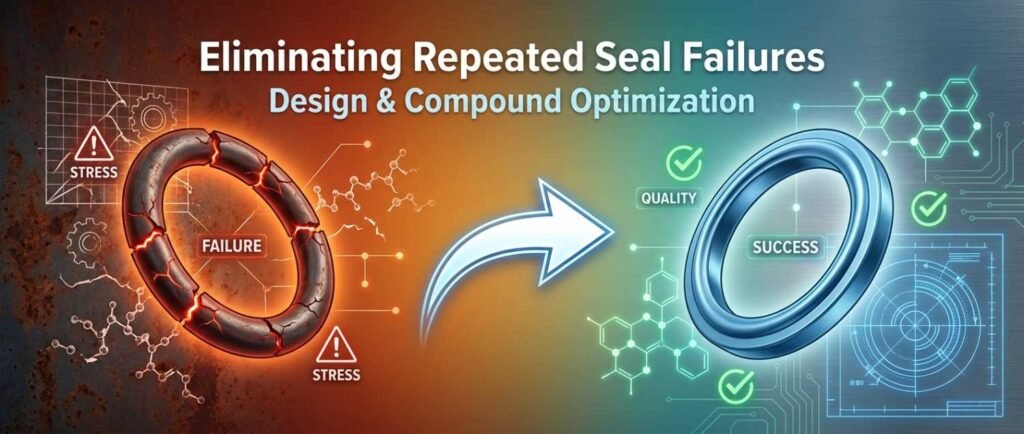
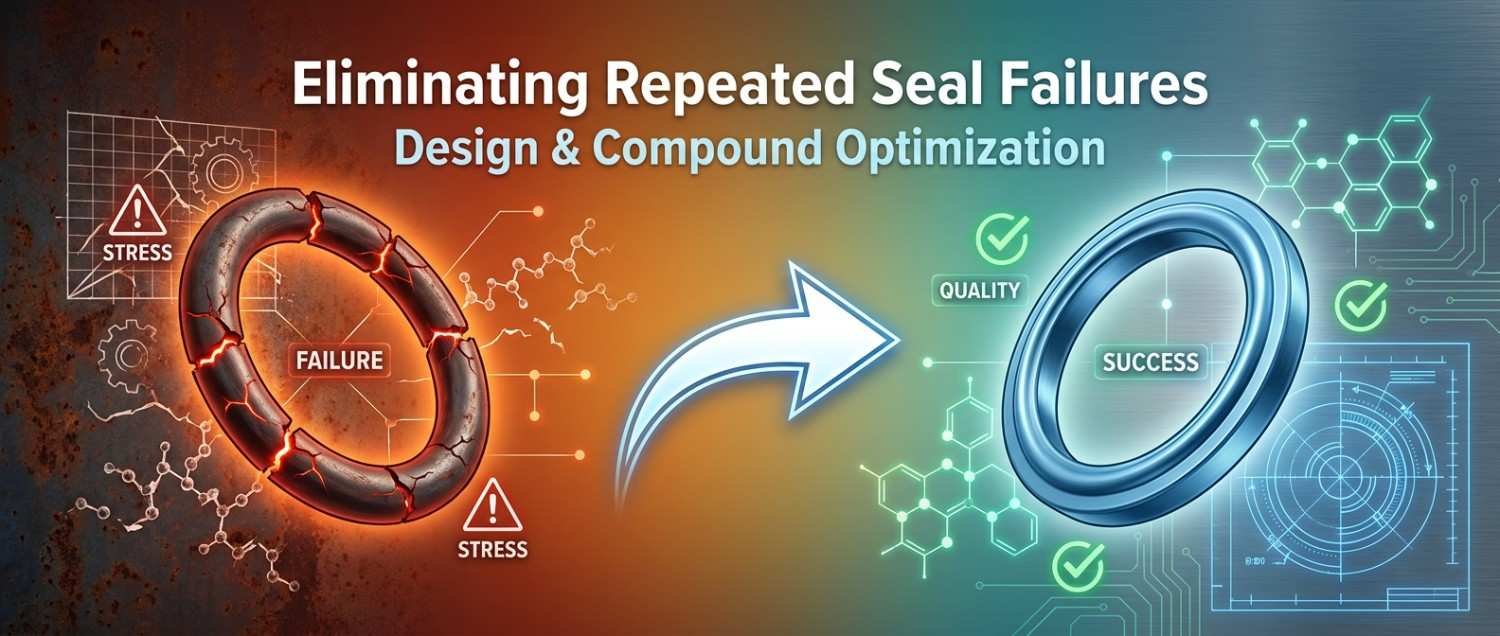
Eliminating Repeated Seal Failures Through Design & Compound Optimization

Eliminating Repeated Seal Failures Through Design & Compound Optimization

Eliminating Repeated Seal Failures Through Design & Compound Optimization

Eliminating Repeated Seal Failures Through Design & Compound Optimization

Repeated seal failures can lead to leakage, production downtime, and increased maintenance costs. A client approached Arvico after facing continuous sealing issues in a critical industrial application where standard sealing solutions were not delivering consistent performance.


Client’s Issue

The client was experiencing repeated seal failures within short operating cycles, resulting in:

  • Frequent leakage issues
  • Unplanned maintenance shutdowns
  • Increased replacement costs
  • Reduced equipment reliability

The existing seals were unable to withstand the operating conditions consistently.


The Challenge

The application involved a combination of mechanical stress, temperature exposure, and oil/gas compatibility challenges.

Major concerns included:

  • Premature seal wear
  • Compression set issues
  • Material degradation
  • Inconsistent sealing performance
  • Need for extended operational life

The client required a long term solution rather than repeated replacements.


Application & Operating Conditions

The seals were used in an industrial fluid handling system operating under continuous pressure and varying temperature conditions. The application involved exposure to process media that affected the performance of the existing elastomer compound. Frequent operational cycles also increased wear on the sealing components.


Arvico’s Solution

We conducted a detailed analysis of the application conditions, seal design, and material behavior. Based on the findings, both the seal geometry and elastomer compound were optimized to improve sealing efficiency and durability.

The revised solution included improved material selection for better chemical and temperature resistance, along with design modifications that reduced stress concentration and enhanced sealing stability during operation.


Manufacturing & Quality Approach

To ensure consistent quality, Arvico implemented controlled compounding and precision molding processes. Each seal underwent dimensional inspection, hardness testing, compression set evaluation, and application based quality checks to verify performance under operating conditions.

Strict process monitoring helped maintain consistency across production batches.


Result & Performance Improvement

After implementing the optimized design and compound solution, the client observed significant improvements in seal performance. 

Key improvements included:

  • Reduced seal failure frequency
  • Improved resistance to wear and deformation
  • Better sealing reliability
  • Increased operational life
  • Lower maintenance requirements


Outcome

The optimized sealing solution helped the client improve equipment uptime and reduce operational disruptions. The reduction in replacement frequency also lowered overall maintenance costs and improved long term system reliability.

[wp_comments]

Eliminating Repeated Seal Failures Through Design & Compound Optimization Read More »

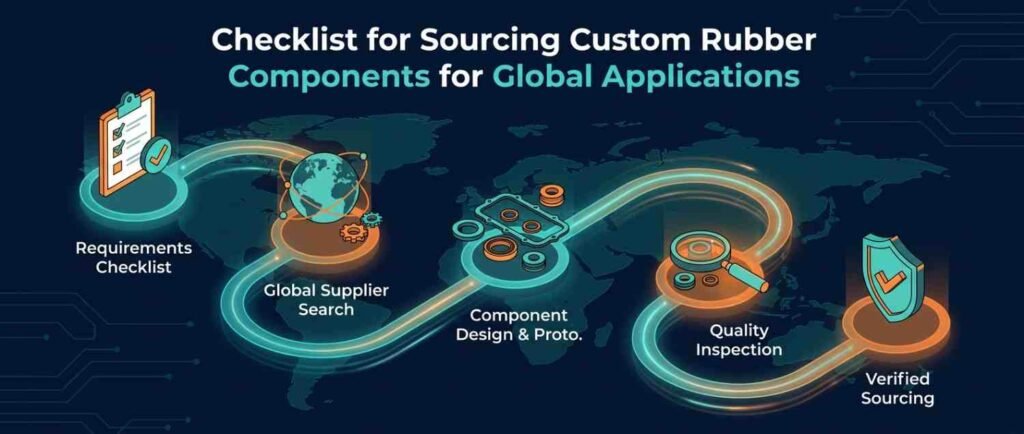
Checklist for Sourcing Custom Rubber Components for Global Applications

Checklist for Sourcing Custom Rubber Components for Global Applications

Checklist for Sourcing Custom Rubber Components for Global Applications

Checklist for Sourcing Custom Rubber Components for Global Applications

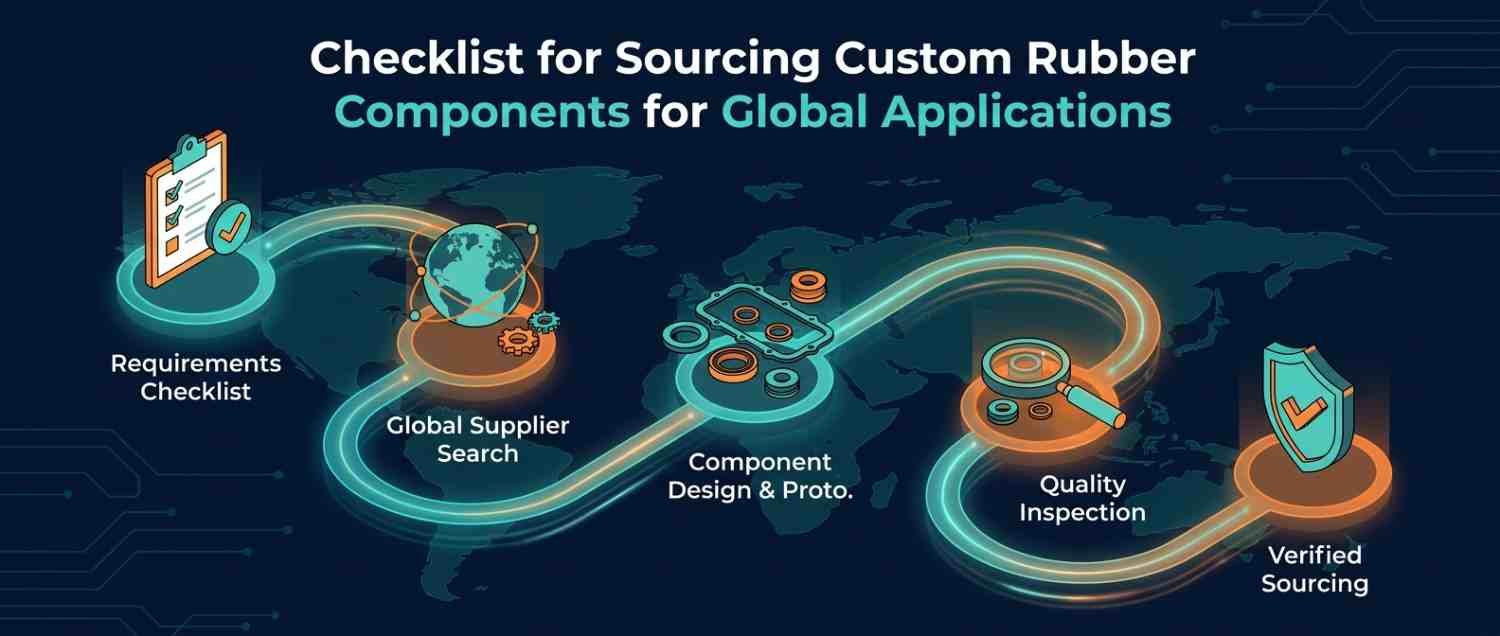
Sourcing custom rubber components for global applications involves much more than comparing prices. The right supplier can improve product reliability, reduce failures, and ensure smooth integration into your equipment or system.

Whether you’re sourcing rubber diaphragms, rubber gaskets, seals, rubber O-rings, or molded rubber parts, the following checklist can help simplify the decision making process.

1. Define Application Requirements

Accurate application data helps ensure the right material and design selection.

Before approaching a supplier, clearly identify:

  • Operating temperature range
  • Pressure conditions
  • Chemical exposure
  • Dynamic or static application
  • Expected service life

2. Evaluate Material Expertise

The supplier should be able to recommend suitable compounds based on performance requirements. Material compatibility is often the biggest factor affecting component lifespan.

Common materials include:

  • NBR
  • EPDM
  • FKM
  • Silicone
  • PTFE bonded solutions


3. Assess Manufacturing Capabilities

Strong manufacturing control leads to better product consistency.

Look for manufacturers with:

  • In house tooling and mold development
  • Precision molding processes
  • Custom manufacturing capabilities
  • Consistent production standards


4. Review Quality Systems

Reliable quality systems help minimize field failures. Quality assurance is essential for global applications.

Check for:

  • Dimensional inspection procedures
  • Material testing capabilities
  • Batch traceability
  • Process control systems


5. Consider Export Experience

For international projects, suppliers should have: 

  • Experience handling export requirements
  • Documentation
  • Packaging
  • Global customer expectations.

This helps ensure smooth deliveries and consistent communication.

6. Verify Engineering & Technical Support

This collaboration often leads to improved product performance and longer service life. The best suppliers provide more than manufacturing.

Technical support can include:

  • Material recommendations
  • Design optimization
  • Prototype development
  • Failure analysis assistance
  • Application specific guidance

7. Look Beyond Price

While pricing is important, the lowest cost option may not always provide the best value.

Consider:

  • Product quality
  • Consistency
  • Service support
  • Delivery reliability
  • Total lifecycle cost

A dependable supplier can help reduce downtime, maintenance costs, and operational risks.

Selecting the right custom rubber component supplier requires evaluating technical expertise, manufacturing capabilities, quality standards, and application knowledge. A well-qualified supplier becomes a long-term partner in improving product performance and reliability across global markets.

[wp_comments]

Checklist for Sourcing Custom Rubber Components for Global Applications Read More »

O-Rings in Food & Beverage Processing Equipment

O-Rings in Food & Beverage Processing Equipment

O-Rings in Food & Beverage Processing Equipment

O-Rings in Food & Beverage Processing Equipment

O-rings play a critical role in food and beverage processing equipment by ensuring reliable sealing, preventing contamination, and maintaining hygiene standards during production operations. In food processing applications, seal failure can lead to leakage, contamination risks, product loss, and production downtime. This makes proper O-ring selection extremely important.

Key Requirements for Food & Beverage O-Rings


Unlike standard industrial applications, food processing environments require sealing components that can handle both operational demands and hygiene regulations. Materials must also withstand frequent cleaning and sterilization cycles.

Important requirements:

  • Food grade rubber components material compliance
  • Resistance to cleaning chemicals
  • Temperature resistance
  • Non toxic and contamination free performance
  • Long operational life

Common O-Ring Materials Used


EPDM

Widely used in food and beverage applications because of its:

  • Excellent steam resistance
  • Good resistance to cleaning chemicals
  • Suitability for hot water applications

Silicone

Commonly used where flexibility and temperature resistance are important.

Advantages include:

  • Good thermal stability
  • Non toxic properties
  • Flexibility across varying temperatures

Viton (FKM)

Used in applications involving oils, fats, and high temperature conditions.

Offers:

  • Strong chemical resistance
  • High temperature performance
  • Good durability

Challenges in Food Processing Applications


Food processing environments expose rubber O-rings to demanding operating conditions.

Common challenges include:

  • Frequent washdowns
  • Steam sterilization
  • Exposure to oils and food content
  • Temperature fluctuations
  • Continuous operation cycles

Improper material selection can result in:

  • Swelling
  • Cracking
  • Hardening
  • Loss of sealing efficiency

Importance of Hygiene & Compliance


In food and beverage systems, hygiene is a critical factor. O-rings used in these applications should meet relevant food grade standards and should not release contaminants into the process media.

Properly designed sealing systems help:

  • Prevent contamination
  • Maintain product quality
  • Improve operational safety
  • Reduce maintenance interruptions

Best Practices for Improved O-Ring Performance


To improve reliability in food processing equipment:

  • Select food grade elastomer materials
  • Evaluate chemical compatibility with cleaning agents
  • Use correct groove and gland designs
  • Inspect seals regularly for wear or degradation
  • Replace damaged seals before failure occurs

Working with experienced rubber sealing components manufacturers helps ensure proper material and application selection.

O-rings used in food and beverage processing equipment must deliver reliable sealing while meeting strict hygiene and operational requirements. Proper material selection and application specific design play a major role in improving equipment reliability, product safety, and operational efficiency.

[wp_comments]

O-Rings in Food & Beverage Processing Equipment Read More »

O-Rings for Chemical Processing Industries

Rubber O-Rings for Chemical Processing Industries

O-Rings for Chemical Processing Industries

O-Rings for Chemical Processing Industries

O-rings play a critical role in chemical processing industries, where reliable sealing is essential for safety, efficiency, and equipment performance. From pumps and valves to reactors and pipelines, rubber O-rings help prevent leakage of aggressive chemicals and process fluids.

However, chemical processing environments are highly demanding. Incorrect O-ring selection can lead to swelling, cracking, hardening, or premature seal failure.

Why O-Ring Selection Matters


Chemical processing applications involve:

    • Aggressive chemicals
    • High temperatures
    • Pressure fluctuations
    • Continuous operation
    • Corrosive environments

In such conditions, standard elastomers may fail quickly if material compatibility is not properly evaluated.

Key Factors to Consider


Chemical Compatibility

The most important factor is resistance to the media being handled.

Exposure to incompatible chemicals can cause:

    • Swelling
    • Softening
    • Cracking
    • Loss of elasticity

Material selection & different types of o-rings should always be based on the specific chemicals used in the process.

Temperature Resistance

Chemical plants often operate at elevated temperatures.

O-rings must maintain:

    • Flexibility
    • Sealing force
    • Dimensional stability

Pressure Handling

High pressure systems can cause:

    • Extrusion
    • Compression set
    • Seal deformation

Proper groove design and material hardness become critical in these applications.

Common O-Ring Materials Used


Viton (FKM)

Widely used for:

    • High temperature applications
    • Chemical resistance
    • Oil and solvent exposure

EPDM

Suitable for:

    • Water based chemicals
    • Steam applications
    • Acidic environments

FFKM

Used in highly aggressive chemical processing conditions where maximum chemical resistance is required.

NBR

Commonly used for:

    • Oils and hydrocarbons
    • General industrial applications

However, it may not perform well with strong chemicals.

Common Failure Issues


In chemical processing industries, O-rings seals commonly fail due to:

    • Incorrect material selection
    • Excessive temperature exposure
    • Chemical attack
    • Improper installation
    • Compression set over time

These failures can result in leakage, contamination, and equipment downtime.

Best Practices for Improved Performance


    • Select materials based on chemical compatibility charts
    • Evaluate actual operating temperatures and pressure
    • Use correct gland and groove designs
    • Inspect seals regularly for wear or degradation
    • Work with experienced sealing manufacturers for application-specific solutions

Proper material selection significantly increases service life and operational safety.

O-rings used in chemical processing industries must withstand harsh operating conditions while maintaining reliable sealing performance. Choosing the right material and design is essential for preventing failures, reducing downtime, and ensuring long term system efficiency.

[wp_comments]

Rubber O-Rings for Chemical Processing Industries Read More »

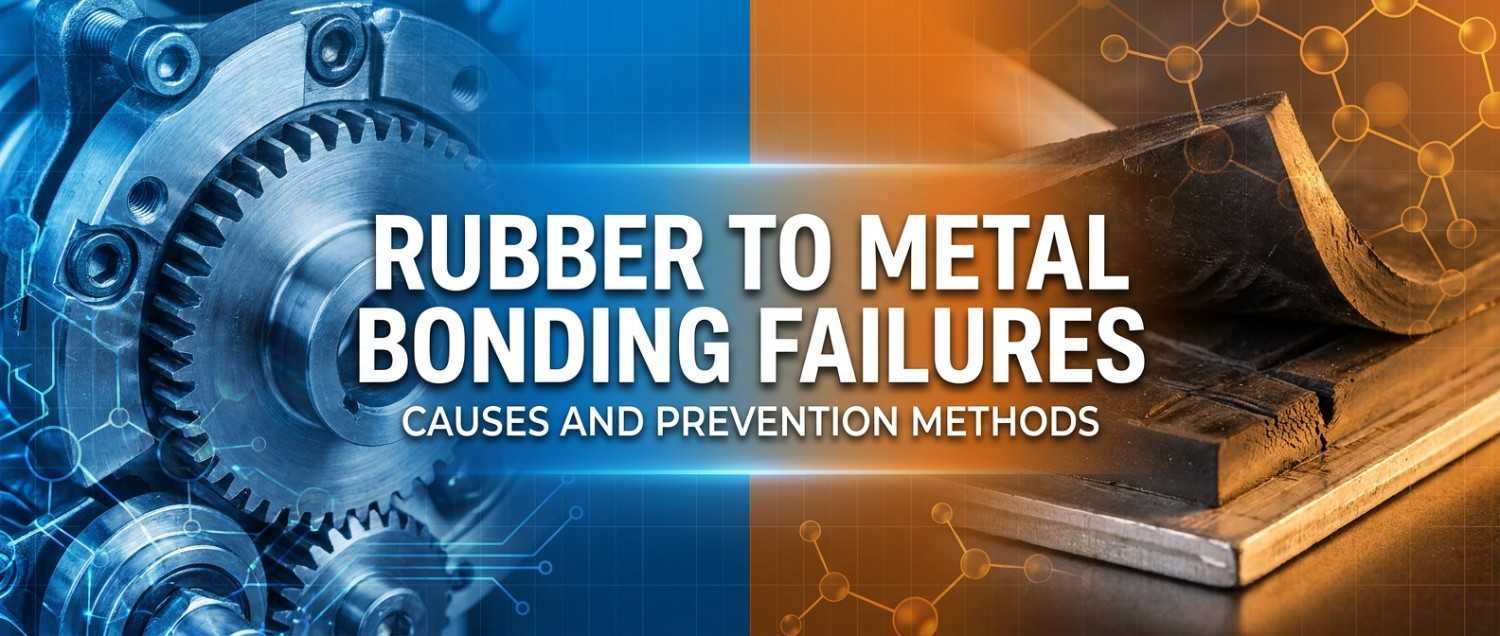
Rubber to Metal Bonding Failures: Causes and Prevention Methods

Rubber to Metal Bonding Failures: Causes and Prevention Methods

Rubber to Metal Bonding Failures: Causes and Prevention Methods

Rubber to Metal Bonding Failures: Causes and Prevention Methods

Rubber to metal bonded components are widely used in industrial applications such as rubber diaphragms, seals, bushes, rollers, and automotive parts. These components combine the flexibility of rubber with the strength of metal.

However, when bonding fails, it can lead to component separation, performance issues, and unexpected downtime. Understanding the root causes helps manufacturers improve product reliability and lifespan.

Why Rubber to Metal Bonding Fails

Bond failure usually occurs when the adhesive bond between rubber and metal weakens under operational or manufacturing stress.

Common signs

    • Rubber peeling away from metal inserts
    • Partial bond separation
    • Cracks near bonded areas
    • Complete component failure

1. Poor Surface Preparation

One of the biggest causes of bonding failure is improper metal surface preparation.

Issues include

    • Oil contamination
    • Rust or oxidation
    • Dust particles
    • Improper grit blasting

If the metal surface is not properly cleaned and roughened, the bonding agent may not adhere effectively.

Prevention

    • Proper degreasing and cleaning
    • Controlled grit blasting
    • Surface inspection before bonding

2. Incorrect Bonding Agent Selection

Not all adhesives work with every rubber compound or metal type. 

Wrong bonding agent can cause

    • Weak adhesion
    • Early bond breakdown
    • Reduced heat or chemical resistance

Prevention

    • Select bonding agents based on application requirements
    • Ensure compatibility between rubber compound and metal substrate

3. Improper Curing Parameters

Bond strength is highly dependent on proper curing.

Incorrect curing temperature, pressure, or time can result in:

    • Incomplete bonding
    • Weak adhesion strength
    • Material degradation

Prevention

    • Maintain controlled curing cycles
    • Monitor molding temperatures and pressure accurately

4. Environmental Exposure

Harsh operating environments can gradually weaken bonds. These conditions can accelerate bond deterioration over time.

Common factors

    • High temperatures
    • Chemical exposure
    • Moisture
    • Continuous vibration

Prevention

    • Use application-specific compounds
    • Test components under real operating conditions

5. Design Related Stress Concentration

Poor component design can create excessive stress near bonded areas.

This can lead to

    • Crack initiation
    • Bond fatigue
    • Premature failure

Prevention

    • Optimize product design
    • Reduce sharp edges and stress concentration zones

How Manufacturers Improve Bond Reliability

Leading rubber products manufacturers reduce failures through:

    • Strict surface preparation processes
    • Controlled bonding techniques
    • Material compatibility testing
    • Adhesion strength validation
    • Performance testing under actual application conditions

Rubber to metal bonding failures are often caused by manufacturing errors, poor material selection, or harsh operating environments. By addressing these issues early, manufacturers can significantly improve bond strength, product reliability, and service life. A well engineered bonding process ensures long term performance in demanding industrial applications.

[wp_comments]

Rubber to Metal Bonding Failures: Causes and Prevention Methods Read More »

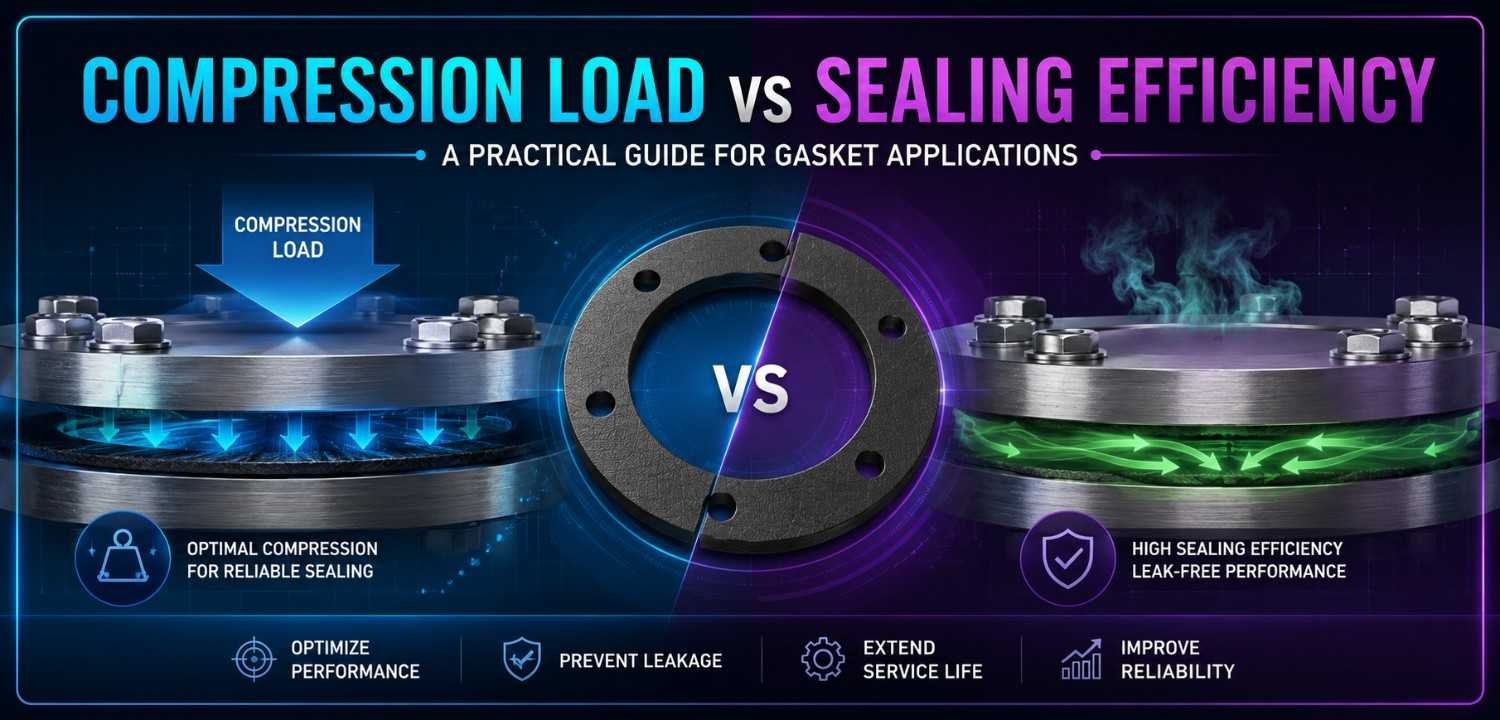
Compression Load vs Sealing Efficiency: A Practical Guide for Gasket Applications

Compression Load vs Sealing Efficiency: A Practical Guide for Gasket Applications

Compression Load vs Sealing Efficiency: A Practical Guide for Gasket Applications

Compression Load vs Sealing Efficiency: A Practical Guide for Gasket Applications

In gasket applications, sealing performance depends heavily on the correct compression load. Even a high quality rubber gasket can fail if the applied load is too low or too high. Achieving the right balance is essential for leak prevention, gasket life, and overall system reliability.

What Is Compression Load?


Compression load refers to the force applied on a gasket during assembly, usually through bolted flange connections. This load compresses the gasket between mating surfaces, allowing it to: 

  • Fill surface irregularities
  • Create a tight seal
  • Prevent fluid or gas leakage

Without proper compression, effective sealing cannot be achieved.

Why Sealing Efficiency Depends on Compression


A gasket requires sufficient load to deform slightly and conform to flange surfaces. Proper compression helps:

  • Improve sealing contact
  • Reduce leakage paths
  • Maintain pressure integrity
  • Increase gasket stability during operation

However, more compression does not always mean better sealing.

Problems with Low Compression Load


Insufficient compression can lead to incomplete sealing. Common issues include:

  • Fluid or gas leakage
  • Poor flange contact
  • Reduced pressure retention
  • Gasket movement during operation

Low load often prevents the gasket from properly filling flange imperfections.

Problems with Excessive Compression Load


Over compression can damage the gasket and reduce service life. Potential failures include:

  • Gasket crushing
  • Material extrusion
  • Loss of elasticity
  • Permanent deformation
  • Reduced recovery performance

Excessive bolt tightening is one of the most common causes of gasket failure.

Factors Affecting Compression Requirements


Gasket Material

Different materials require different compression characteristics.

  • Soft rubber gaskets compress easily
  • PTFE gaskets require controlled loading
  • Metal reinforced gaskets handle higher loads

Operating Pressure

Higher pressure applications generally require higher gasket seating stress to maintain sealing efficiency.

Temperature Conditions

Thermal expansion and material softening at elevated temperatures can affect gasket compression behavior.

Flange Surface Finish

Rough or uneven flange surfaces may require additional compression for effective sealing.

Bolt Tightening Method

Improper torque application can create uneven compression across the gasket surface.

Best Practices for Optimal Sealing


To improve gasket performance:

  • Follow recommended torque values
  • Use proper bolt tightening sequences
  • Select gasket material based on operating conditions
  • Inspect flange alignment and surface finish
  • Avoid over-tightening during installation

Controlled compression improves both sealing efficiency and gasket longevity.

Compression load plays a critical role in gasket sealing performance. Too little load can result in leakage, while excessive load can damage the gasket and reduce service life.

Understanding the relationship between compression and sealing efficiency helps ensure reliable, long term performance in industrial gasket applications.

[wp_comments]

Compression Load vs Sealing Efficiency: A Practical Guide for Gasket Applications Read More »

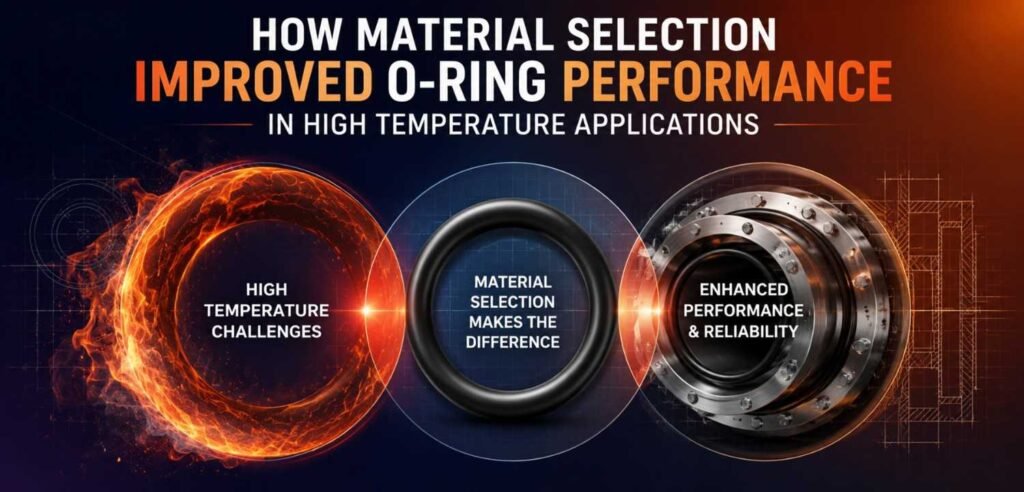
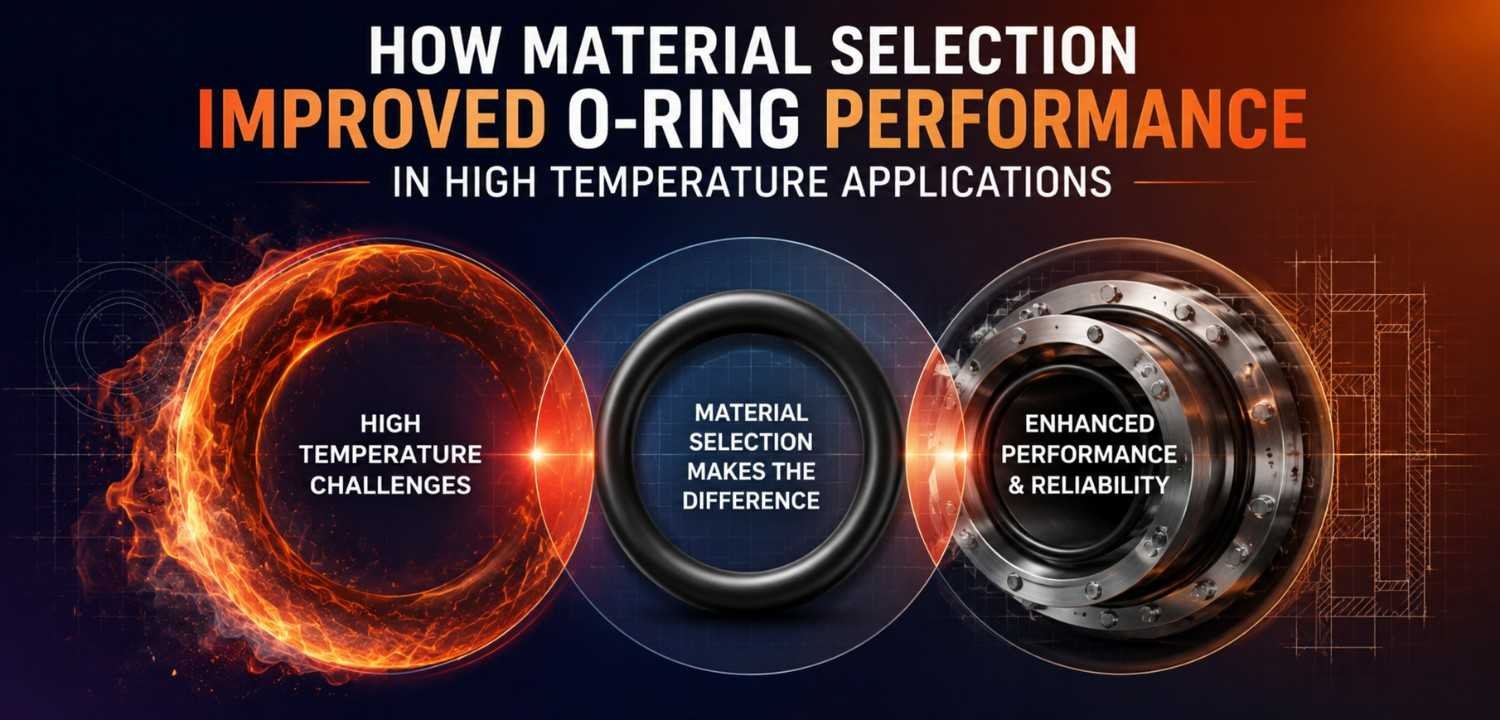
How Material Selection Improved O-Ring Performance in High Temperature Applications

How Material Selection Improved O-Ring Performance in High Temperature Applications

How Material Selection Improved O-Ring Performance in High Temperature Applications

How Material Selection Improved O-Ring Performance in High Temperature Applications

Client’s Issue


O-rings used in high temperature environments often face issues like hardening, cracking, and loss of sealing efficiency. A client approached Arvico after experiencing repeated O-ring failures in a high temperature industrial application that was affecting operational reliability.

The client was facing frequent O-ring failures in their equipment, leading to leakage and unplanned maintenance. The existing material was unable to withstand prolonged high temperature conditions.

Issues:

    • O-rings hardening prematurely
    • Cracking under continuous heat exposure
    • Frequent replacement cycles
    • Loss of sealing performance
    • Increased downtime


The Challenge


The application required an O-ring that could perform consistently under extreme temperatures while maintaining sealing reliability. Standard elastomer grades were failing faster than expected.

Challenges:

    • Continuous high-temperature exposure
    • Chemical compatibility requirements
    • Pressure fluctuations
    • Long operational cycles
    • Need for longer service life


Application & Operating Conditions


The O-rings were used in industrial equipment operating under continuous elevated temperatures with exposure to process fluids. The system also experienced pressure variations, making sealing performance critical. The application required a material that could maintain elasticity and sealing over long operating cycles.


Arvico’s Solution


Arvico conducted a detailed application analysis and identified that the existing o-ring material was not suitable for the operating conditions. A more high performance elastomer compound with better heat resistance and chemical compatibility was recommended.

The new material offered improved thermal stability, better compression set resistance, and longer sealing life without compromising performance.


Manufacturing & Quality Approach


Arvico ensured consistency through controlled compounding, precision molding, and strict inspection process. Each batch underwent dimensional checks, hardness testing, heat resistance validation, and sealing performance evaluations to ensure reliability in actual application conditions.


Result & Performance Improvement


After switching to the optimized material, the client saw a noticeable improvement in O-ring performance.

    • Longer service life
    • Reduced failure frequency
    • Better heat resistance
    • Improved sealing reliability
    • Lower maintenance requirements


Outcome


The client achieved improved equipment uptime and lower replacement costs. The successful material upgrade reduced operational disruptions and helped establish a long-term supply relationship with Arvico.

[wp_comments]

How Material Selection Improved O-Ring Performance in High Temperature Applications Read More »

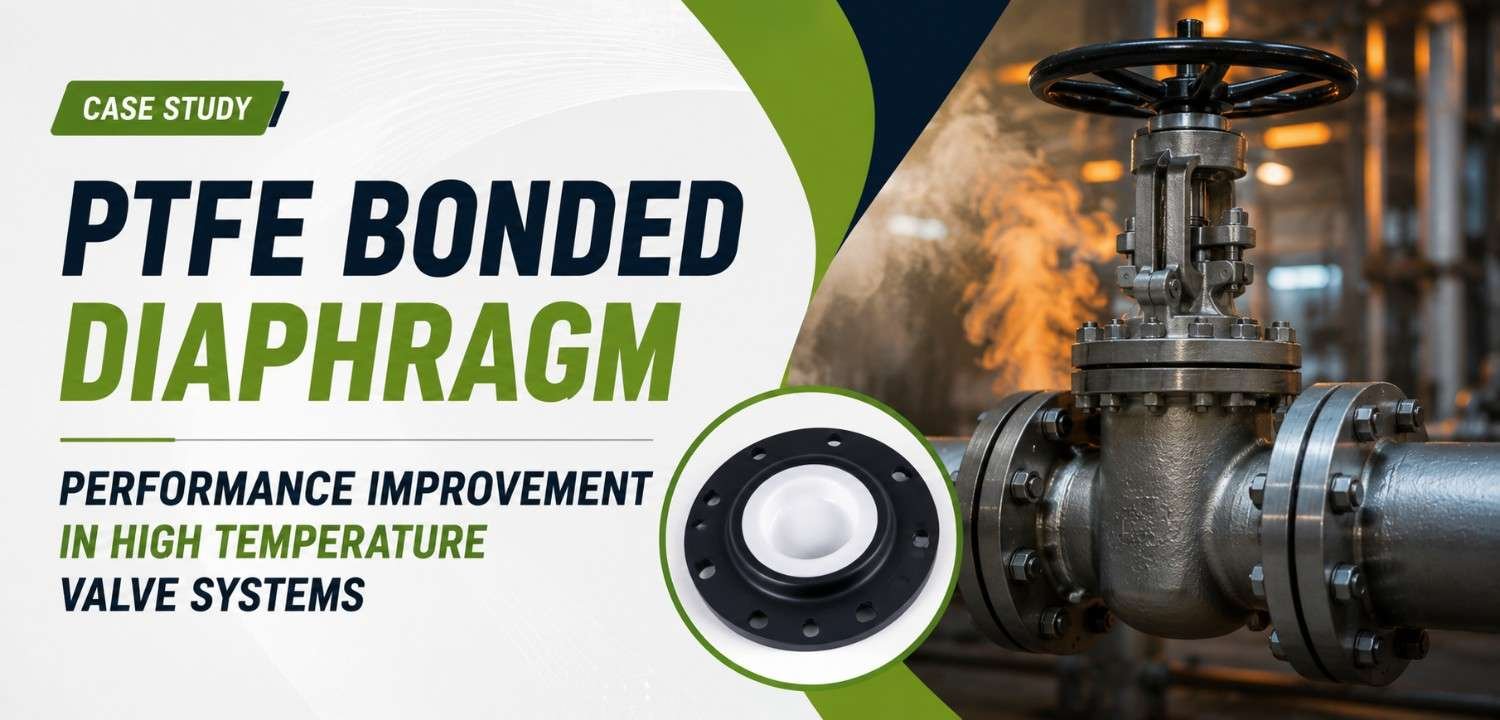
PTFE Bonded Diaphragm Performance Improvement in High Temperature Valve Systems

PTFE Bonded Diaphragm Performance Improvement in High Temperature Valve Systems

PTFE Bonded Diaphragm Performance Improvement in High Temperature Valve Systems

PTFE Bonded Diaphragm Performance Improvement in High Temperature Valve Systems

Client’s Issue


The client was experiencing frequent diaphragm failures in their valve systems, leading to operational inefficiencies. The existing diaphragm material was unable to perform consistently under high temperatures.

Key concerns

    • Premature diaphragm cracking
    • Loss of sealing performance
    • Frequent replacement cycles
    • Increased maintenance downtime


The Challenge


The application involved aggressive operating conditions that required both flexibility and thermal resistance. Standard rubber diaphragms were failing to meet performance expectations.

Challenges

    • Continuous exposure to high temperatures
    • Chemical media compatibility requirements
    • Frequent actuation cycles
    • Need for longer diaphragm life
    • Maintaining sealing reliability


Application & Operating Conditions


The diaphragms were used in industrial valve systems handling chemical process fluids under moderate to high pressure conditions. The application involved continuous exposure to elevated temperatures along with repetitive actuation cycles, creating a demanding environment where both sealing efficiency and material durability were critical.


Arvico’s Solution


Arvico developed a customized 
PTFE bonded diaphragm designed for both thermal and chemical resistance. The design ensured better durability without compromising movement performance. 

Solution included:

    • PTFE layer for chemical protection
    • Engineered elastomer backing for flexibility
    • Optimized diaphragm thickness
    • Improved bonding strength between PTFE and rubber layers


Manufacturing & Quality Approach


To ensure product consistency, Arvico implemented a controlled manufacturing process with precision bonding techniques and optimized molding parameters. Every diaphragm underwent bond strength testing, dimensional inspections, heat resistance validation, and functional testing to ensure reliable performance in actual operating conditions.


Result & Performance Improvement


After implementation, the client saw measurable improvements:

    • Extended diaphragm service life
    • Reduced failure frequency
    • Improved resistance to heat degradation
    • Better sealing performance
    • Lower maintenance requirements


Outcome


The client achieved improved valve reliability and reduced operational costs.

    • Higher system uptime
    • Reduced replacement frequency
    • Better long-term performance
    • Strengthened partnership with Arvico for future requirements
[wp_comments]

PTFE Bonded Diaphragm Performance Improvement in High Temperature Valve Systems Read More »