Blog

Why Global Buyers Source Industrial Rubber Products from India

Why Global Buyers Source Industrial Rubber Products from India

In today’s interlinked industrial supply chain, global buyers are actively seeking suppliers who can offer the right balance of quality, reliability, cost efficiency, and scalability. Over the past twenty years, India has grown as an approachable sourcing country for industrial rubber products such as diaphragms, gaskets, O-rings, and customized PTFE components.

From OEMs to distributors, buyers across Europe, Southeast Asia, Gulf countries and USA are coming to Indian manufacturers. This shift is driven by India’s growing capability to deliver export approved quality, requirement based rubber solutions and pricing.


India has developed a robust industrial manufacturing system supported by skilled engineers, experienced technicians, and modern production facilities. Indian manufacturers today are capable of producing precision engineered rubber components that meet stringent international specifications.

Many industrial rubber manufacturers in India work closely with OEMs on:

  • Customized rubber diaphragm design
  • Material selection based on gas/liquid compatibility
  • Strict tolerances and repeatability
  • Requirement based performance requirements

This technical depth makes Indian suppliers not just vendors, but we become solution partners for global buyers.


One of the key reasons global buyers source from India is the range of material options available in one company.

Indian manufacturers offer

  • Rubber compounds such as NBR, EPDM, Neoprene, Natural Rubber, and FKM
  • PTFE and PTFE-faced rubber products
  • Custom formulations based on temperature, pressure, and chemical exposure

This flexibility allows buyers to source custom designed diaphragms, gaskets, and seals without being restricted to standard items. For international buyers with one of a kind operating conditions, this adaptability is a great advantage.


While cost competitiveness is an important factor, global buyers increasingly recognize that India offers value driven sourcing, not just low pricing.

Indian manufacturers benefit from

  • Efficient labor and production costs
  • Local raw material sourcing
  • Scalable manufacturing for both small and large volumes

When combined with proper quality systems, this results in lower total cost of ownership unlike just lower unit prices. Buyers often find that Indian suppliers deliver reliable performance at a way better cost to quality ratio compared to other countries.


Modern Indian industrial rubber manufacturers understand the importance of global compliance. Many operate under internationally recognized quality systems and follow global standards for materials, testing, and documentation.

Common practices include:

  • ISOcertified quality management systems
  • Sample traceability and inspection reports
  • Material test certificates
  • Adherence to ASTM, DIN, and ISO standards

This level of quality assurance gives global buyers confidence that products sourced from India can seamlessly integrate into their supply chains and meet regulatory requirements in their markets.


India’s export system has changed significantly, making it easier for global buyers to work with Indian suppliers. 

  • International packaging and labelling norms
  • Export documentation and compliance
  • Incoterms and shipping coordination
  • Sea and air freight logistics

With major ports and logistics hubs, Indian manufacturers are able to ship efficiently globally, ensuring timely and reliable deliveries.


Indian industrial rubber manufacturers emphasize long term relationships. They invest time in understanding customer applications, offering technical guidance, and continuously improving product performance.

For global buyers, this means:

  • Faster problem resolution
  • Continuous product optimization
  • Stable supply relationships
  • Reduced supplier switching costs

This partnership driven approach is especially valuable for OEMs and distributors looking for  suppliers for the long term.
Looking for custom rubber diaphragms / gaskets / parts?
contact Arvico for Indian & Export requirements.

Why Global Buyers Source Industrial Rubber Products from India Read More »

Rubber Resilience Proven Practices for Lasting Performance

Rubber Resilience: Proven Practices for Lasting Performance

Rubber seals are essential components in numerous industrial applications, ranging from pumps and valves to pipelines and machinery. These components ensure leak-proof operations, maintain pressure consistency, and protect valuable equipment from contamination and failure. However, environmental factors, chemical exposure, and improper handling can significantly accelerate rubber degradation.

At Arvico Rubber Industries, we believe in not only providing high-performance sealing solutions but also empowering our clients with the knowledge needed to maximize product longevity. Here are some recommended best practices to prevent rubber deterioration and ensure long-lasting seal performance.

What Causes Rubber Degradation?

Understanding the root causes of deterioration is the first step in preventing premature failures:

  • Temperature Extremes: Heat causes rubber to harden and lose flexibility, while cold can make it brittle and prone to cracking.
  • UV and Ozone Exposure: Sunlight and electrical equipment generate UV and ozone that break down rubber molecularly, leading to surface oxidation and cracking.
  • Chemical Attack: Contact with oils, fuels, and acids can cause rubber to swell, soften, or degrade.
  • Mechanical Stress: Constant compression, flexing, or vibration causes fatigue, especially in dynamic applications like pumps, valves, and compressors.

These issues, if not addressed, lead to seal leakage, material failure, and unplanned maintenance interruptions.

Seal Leakage

Practices to Prevent Rubber Seal Failure

1. Choosing the Right Rubber Compound

Selecting the appropriate rubber compound is crucial to ensuring seal durability and optimal performance. Each material responds differently to pressure, temperature, and chemical exposure. At Arvico, we offer a diverse range of high-performance elastomers, each engineered for specific industrial environments. By aligning material selection with application demands, you extend seal life and prevent premature failure.

2. Store It Right

Improper storage is one of the most overlooked causes of premature rubber failure. At Arvico, we recommend storing rubber products in a cool, dry, and dark environmentaway from direct sunlight, ozone-generating equipment, and temperature extremes.By maintaining optimal storage conditions, you preserve the material’s elasticity, flexibility, and sealing performance, ensuring every component functions as designed once installed.

3. Handle with Care:

Even the highest-quality seal can fail if not installed correctly. Rough installation, stretching, or the use of incorrect tools can compromise the seal’s shape and performance. Always follow manufacturer guidelines to ensure a secure, damage-free fit.Once installed, seals should operate within their specified pressure, temperature, and chemical exposure limits. Over exposure or excessive mechanical stress can accelerate wear, leading to premature failure.

4. Inspect & Maintain Regularly:

Routine inspection and maintenance are key to extending seal life and preventing unexpected failures. Regularly check for signs of wear such as cracking, hardening, swelling, or deformation. Clean gently with soft cloths, avoiding harsh solvents, and follow recommended replacement schedules to address issues before they escalate. Proactive maintenance helps maintain sealing performance and reduces costly downtime.

5. Use Compatible Lubricants:

Lubricants play a crucial role in dynamic sealing systems. Only use lubricants that are chemically compatible with the rubber material. The wrong lubricant can soften or distort seals, compromising their function. Proper lubrication reduces friction, wear, and energy loss, ensuring smoother, longer-lasting performance.

By implementing these practices, industries can significantly enhance seal reliability and reduce replacement costs. Trust Arvico for solutions engineered for endurance and excellence.

Arvico: When Failure Isn’t an Option

Rubber seals may be small, but their role is critical. Extending their lifespan isn’t just about choosing the right product, it’s about how you store, handle, maintain, and support it. At Arvico Rubber Industries, we don’t just manufacture seals, we engineer confidence. With over 55 years of expertise, a deep material portfolio, and a commitment to quality, we help you seal better, last longer, and perform stronger.

From Rubber to Reliability

Don’t let a minor seal lead to a major failure. Trust Arvico for precision-engineered, application-specific sealing solutions that perform reliably, year after year.

Rubber Resilience: Proven Practices for Lasting Performance Read More »

The Ultimate Guide to Rubber Gaskets

The Ultimate Guide to Rubber Gaskets: Ensuring Precision Sealing Across Industries

When it comes to industrial efficiency and safety, rubber gaskets play a pivotal role in ensuring seamless operations across various sectors. From high-pressure piping systems to precision-engineered valve assemblies, these flexible sealing components act as the first line of defense against leaks, contamination, and pressure failures. At Arvico Rubber Industries, we specialize in crafting superior-quality rubber gaskets designed to withstand the toughest conditions while maintaining performance and reliability.

Why Are Rubber Gaskets Essential?

Rubber gaskets are mechanical seals placed between two mating surfaces to fill irregularities and prevent leaks in machinery, pipelines, and fluid systems. Their flexibility, durability, and resistance to extreme conditions make them a preferred choice in industries where safety and efficiency are paramount. Unlike rigid seals, rubber gaskets can adapt to fluctuating pressures, temperatures, and chemical exposures, ensuring optimal system performance.

Rubber Gaskets for Piping Systems

Industries like oil & gas, water treatment, and chemical processing rely on piping systems that endure high pressure and wear.

Rubber gaskets ensure efficiency and longevity through:

  • Reliable Sealing– Withstand temperature and pressure fluctuations with materials like EPDM, silicone, and nitrile.
  • Chemical Resistance– Act as a barrier against corrosive fluids, protecting the system.
  • Cost-Effectiveness– Prevent leaks and reduce maintenance costs by minimizing replacements.

A durable and economical choice, rubber gaskets keep piping systems running smoothly.

Rubber Gaskets in High-Pressure Applications

High-pressure systems require reliable sealing solutions that withstand extreme stress.

Rubber gaskets excel in such environments due to their:

  • Flexibility & Elasticity– Adapt to surface irregularities for a secure seal.
  • Compression Resistance– Retain shape over time, preventing seal failure.
  • Temperature Durability– Perform effectively in both high and low temperatures.

Their resilience makes them a trusted choice for demanding industrial applications.

Types of Rubber Gaskets and Their Specialized Uses

Different applications demand different gasket materials to maximize performance.

The key types of rubber gaskets and their industry-specific benefits:

Flange Gaskets

  • Ideal for: Sealing pipe joints in high-pressure systems
  • Industry Use: Oil & gas, chemical processing, water treatment
  • Advantages: Prevent leaks in flanged connections, ensuring secure and durable seals

TC Gaskets

  • Ideal for: Extreme pressure and temperature conditions
  • Industry Use: Pharmaceuticals, high-pressure hydraulic systems
  • Advantages: Robust sealing in harsh environments, excellent chemical resistance

Die-Cut Gaskets

  • Ideal for: Custom precision sealing solutions
  • Industry Use: Automotive, aerospace, medical equipment
  • Advantages: High accuracy, tailored to unique applications, superior fit and function

Nitrile Rubber (NBR) Gaskets

  • Ideal for: Oil and fuel resistance
  • Industry Use: Automotive, petrochemical, hydraulic systems
  • Advantages: Excellent resistance to petroleum-based fluids, abrasion, and wear

EPDM (Ethylene Propylene Diene Monomer) Gaskets

  • Ideal for: Weather, ozone, and steam resistance
  • Industry Use: HVAC, water treatment, outdoor applications
  • Advantages: UV-resistant, durable in extreme weather conditions
TC Gasket

The Right Gasket, The Right Performance

At Arvico Rubber Industries, we go beyond manufacturing-we deliver precision-sealing solutions tailored to your operational needs.

Our advanced process ensures:

  • Advanced Material Selection – High-quality elastomers tested for durability and performance.
  • Precision Engineering – CNC-controlled cutting and molding for dimensional accuracy.
  • Custom Solutions – Bespoke gasket designs for specific applications.
  • Rigorous Quality Control – Strict testing to ensure reliability in real-world conditions.
  • Compliance & Certifications – Meeting international industry standards for safety and efficiency.
Trust Arvico for superior gasket solutions!

Excellence in Gasket Manufacturing

With decades of expertise, Arvico Rubber Industries is a trusted name in sealing solutions, ensuring efficiency and minimal downtime. From standard gaskets to custom-engineered designs, we prioritize innovation, quality, and customer satisfaction to exceed expectations.

Rubber gaskets may be small, but their impact is huge-preventing costly failures, extending machinery lifespan, and optimizing operations. At Arvico, we craft durable, high-performance gaskets built to last.

Get in touch today and discover the perfect sealing solution for your industry!

The Ultimate Guide to Rubber Gaskets: Ensuring Precision Sealing Across Industries Read More »

PTFE Components: Revolutionizing Modern Manufacturing with Arvico

PTFE Components: Revolutionizing Modern Manufacturing with Arvico

In today’s demanding industrial landscape, Polytetrafluoroethylene (PTFE) has become a game-changer. Also called Teflon, PTFE is known for its exceptional chemical resistance, low friction, thermal stability, and non-stick properties. It is the go-to material for industries requiring precision, durability, and efficiency. At Arvico Rubber Industries, we specialize in high-performance PTFE components engineered to meet the strictest international standards, ensuring superior reliability in harsh operating conditions.

PTFE Components

What Makes PTFE an Industrial Marvel?

PTFE’s unique properties set it apart from conventional materials:

  • Unmatched Chemical Resistance– Withstands acids, bases, solvents, and aggressive fluids, making it ideal for extreme environments.
  • High Thermal Stability– Performs flawlessly in temperatures ranging from -200°C to 260°C, with a melting point of 327°C.
  • Ultra-Low Friction– Ensures smooth, wear-resistant operation, reducing energy losses in dynamic applications.
  • Non-Stick Surface– Prevents material buildup, ensuring easy cleaning and maintenance.
  • Superior Dielectric Strength– Ideal for electrical insulation in high-performance applications.
  • Exceptional Durability – Long-lasting components that withstand mechanical stress, pressure, and thermal expansion.

Industries Leveraging Arvico’s PTFE Solutions

Our PTFE components are trusted by leading industries worldwide:

  • Chemical Processing– Used in seals, gaskets, and liners for resistance against corrosive substances.
  • Automotive & Aerospace– Ensures reliability in extreme temperatures and friction-intensive environments.
  • Electrical & Electronics– Provides superior insulation in high-voltage and precision electronic applications.
  • Food & Beverage– FDA-compliant, non-toxic PTFE is used in food processing equipment and conveyor systems.
  • Medical & Pharmaceutical– Biocompatible PTFE is essential for surgical instruments, implants, and fluid transfer systems.
  • Oil & Gas– Plays a crucial role in high-pressure sealing, pipeline protection, and valve applications.

Arvico’s Premium PTFE Components

Our state-of-the-art manufacturing ensures precision-engineered PTFE solutions tailored to your operational needs:

  • PTFE O-rings– Exceptional sealing performance in extreme pressure and temperature conditions.
  • PTFE Washers & Gaskets– Prevent leaks and enhance equipment lifespan in industrial applications.
  • PTFE Bellows– Absorb thermal expansion, vibrations, and system misalignments in pipelines.
  • PTFE Rods & Strips– Customizable raw materials for machining into precise industrial components.
  • PTFE Chevron Sets & Gland Packings– High-pressure sealing solutions for hydraulic and pneumatic applications.
  • PTFE Diaphragms– Flexible and chemical-resistant solutions for critical fluid control systems.

Why Choose Arvico for PTFE Solutions?

At Arvico Rubber Industries, we go beyond manufacturing-we deliver excellence through:

  • Advanced Material Selection– We use high-quality PTFE grades (Virgin and Modified) that comply with ISO, FDA, and ASTM standards.
  • Precision Engineering– Our CNC-controlled manufacturing ensures exacting tolerances for critical applications.
  • Customization Expertise– We design tailor-made PTFE components based on industry-specific needs.
  • Rigorous Quality Control– Each component undergoes stringent testing for durability, chemical resistance, and thermal stability.
  • Global Compliance & Certifications– Our PTFE products meet international safety and performance benchmarks.

Ensuring Performance, Every Time!

PTFE components are the backbone of various industrial and commercial applications. Manufacturers, exporters, and wholesale suppliers prefer PTFE components for their unmatched reliability and durability. The material’s ability to withstand extreme conditions and its versatility make it a valuable addition to any industrial process. Whether it’s reducing downtime, enhancing operational efficiency, or ensuring safety, PTFE components deliver consistent results.

PTFE Components: Revolutionizing Modern Manufacturing with Arvico Read More »

Choosing the Right O-Ring Seal

Choosing the Right O-Ring Seal

Key Considerations for Optimal Performance

O-rings are indispensable sealing components that ensure the efficient operation of machinery by preventing leaks, contamination, and pressure loss. Despite their simple design, O-rings play a crucial role in a wide range of industrial applications, from pumps and valves to engines and compressors. Selecting the right O-ring requires careful consideration of various factors beyond just size and material.

At Arvico Rubber Industries, we recognize that optimal O-ring performance depends on multiple parameters, including environmental compatibility, pressure levels, temperature variations, and exposure to different fluids or gases. This article explores the critical factors to consider when selecting the ideal O-ring seal for your application.

Key Factors to Consider When Choosing an O-Ring Seal

1. Material Selection

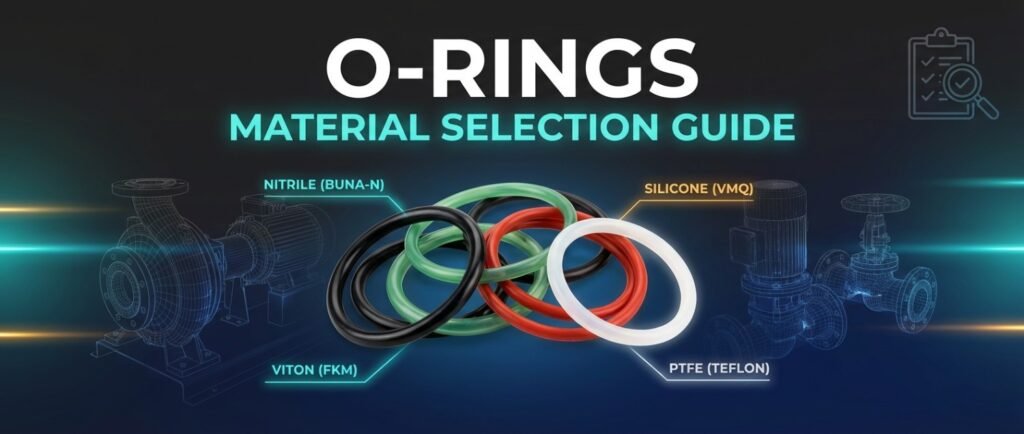
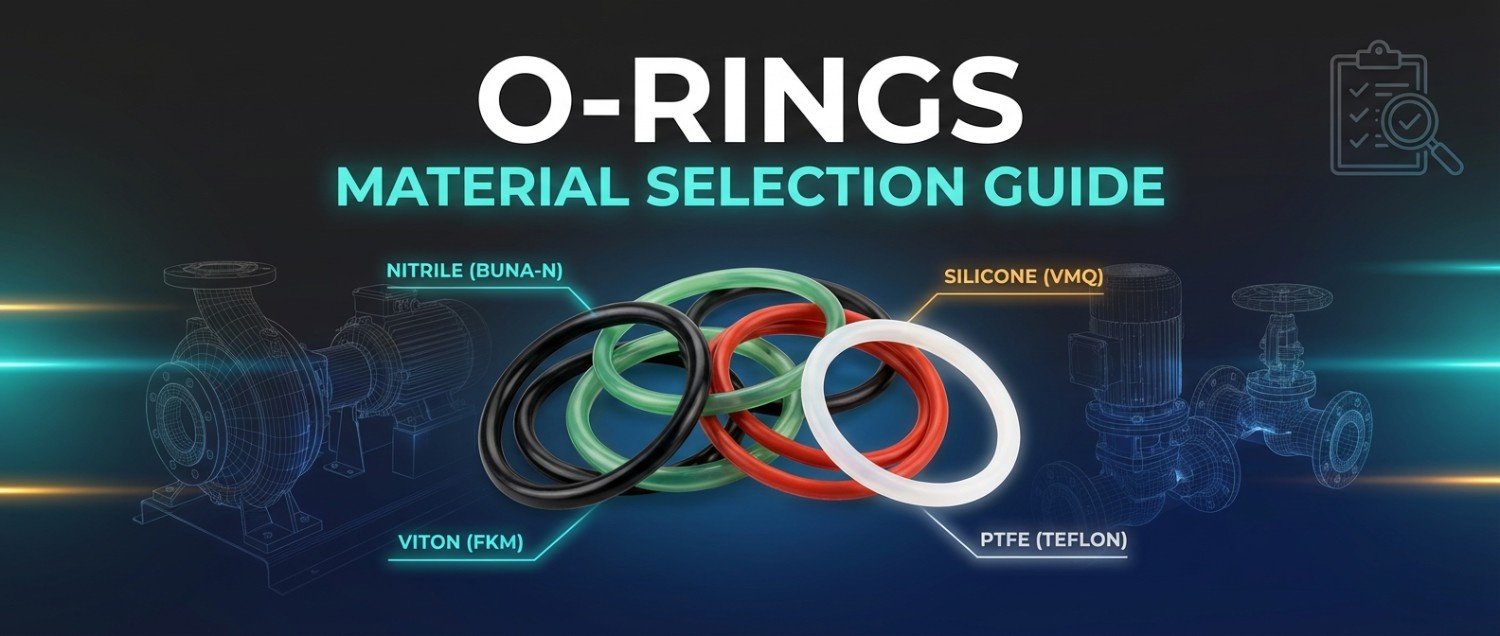
The material of an O-ring significantly influences its sealing performance. The selected elastomer must be compatible with the chemicals, temperatures, and pressures it will encounter. Below are some common O-ring materials and their best-suited applications:

  • Nitrile Rubber (NBR): Excellent oil and fuel resistance, making it ideal for hydraulic systems, pumps, and valves.
  • EPDM (Ethylene Propylene Diene Monomer): Superior resistance to ozone, weathering, and high temperatures; widely used in outdoor and steam-based applications.
  • Silicone Rubber: Exceptional high- and low-temperature resilience, commonly used in food, medical, and pharmaceutical applications due to its non-toxic properties.
  • Viton (FKM): Outstanding chemical and heat resistance, suitable for aggressive chemical environments and extreme temperatures.
  • PTFE (Polytetrafluoroethylene): Offers unparalleled chemical resistance, making it the top choice for applications handling acids, alkalis, and organic solvents.

Selecting the right material ensures durability, reliability, and extended service life under challenging conditions.

2. Inner Diameter (ID) and Cord Thickness

The correct dimensions of an O-ring are vital for its sealing effectiveness. Accurate dimensions are crucial for effective sealing. O-rings have two critical measurements:

  • Inner Diameter (ID): Must precisely match the groove’s ID to prevent leaks.
  • Cord Thickness (Cross-Sectional Diameter): Determines compression and sealing effectiveness. Over-compression can cause premature failure, while under-compression can lead to leaks.

Proper measurement prevents issues like excessive wear, inadequate sealing force, and mechanical failure.

O-Ring Box

3. Groove Dimensions and Fit:

The groove in which the O-ring sits must be designed to accommodate its dimensions and to ensure optimal compression. The width, depth, and surface finish of the groove impact sealing efficiency. An improperly designed groove can cause:

  • Insufficient compressionleads to leaks
  • Excessive compression, resulting in premature wear
  • Extrusion, causing seal failure under high pressure

Precise groove design and adherence to industry standards enhance O-ring performance and longevity.

4. Compression Set and Sealing Life:

The compression set is a critical factor in determining the sealing life of an O-ring. Compression set measures an O-ring’s ability to return to its original shape after deformation.O-rings with low compression set characteristics retain their shape better under pressure and offer longer service life, while those with high compression sets may fail sooner.

  • Materials like Viton and PTFE exhibit lower compression sets, ensuring extended durability even under extreme operating conditions.
  • Higher compression set materials degrade faster, leading to increased maintenance and replacement costs.

The better the material’s resistance to compression set, the more reliable the O-ring will be over time, especially in applications requiring repeated sealing and unsealing cycles.

5. Temperature Resistance​

O-rings are often subjected to varying temperatures, both high and low, in different industrial applications. The O-ring material must withstand temperature extremes without losing its sealing properties.
  • High-Temperature Resistance: For applications with temperatures exceeding 150°C, materials like Viton or Silicone are ideal due to their ability to retain flexibility and sealing properties in high-temperature environments.
  • Low-Temperature Resistance: For low-temperature environments, such as in cryogenic systems, Nitrile & Silicone offer good resistance, remaining flexible even attemperatures as low as -60°C.
Selecting a temperature-resistant material prevents hardening, cracking, and loss of elasticity over time.

6. Chemical Compatibility

Chemical compatibility is a crucial factor when selecting O-rings, as exposure to certain chemicals, solvents, oils, and gases can cause swelling, cracking, or degradation, ultimately compromising the seal. The right material ensures the O-ring resists these exposures without failure.

  • PTFE and Viton stand out for their exceptional resistance to aggressive chemicals, acids, and bases, making them ideal for demanding environments.
  • NBR and EPDM are better suited for applications involving petroleum-based products and water.

Choosing a chemically compatible O-ring material guarantees long-term reliability and prevents costly seal failures.

7. Static vs. Dynamic Applications

  • Static Applications: O-rings remain stationary and require minimal friction resistance.
  • Dynamic Applications: O-rings endure motion, requiring low-friction and high-wear-resistant materials.

Arvico’s HNBR and Silicone O-rings provide superior durability in high-speed reciprocating applications, reducing wear and extending operational efficiency.

Conclusion: Why Arvico Rubber is Your Trusted O-Ring Manufacturer​

Selecting the right O-ring is essential for ensuring equipment efficiency, safety, and longevity. At Arvico Rubber Industries, we manufacture high-quality, precision-engineered O-rings that meet exact specifications for various industrial applications. we provide the right material, size, and design to ensure a reliable and long-lasting seal.

Our commitment to innovation, quality, and customer satisfaction makes us a trusted partner in industries including hydraulic systems, chemical processing, and medical devices. With our customized solutions, you can expect:

  • Enhanced performance
  • Reduced downtime
  • Improved operational efficiency

Elevate your sealing solutions with Arvico - where precision meets reliability.

Choosing the Right O-Ring Seal Read More »

Advanced Engineering of Rubber Diaphragms

Advanced Engineering of Rubber Diaphragms: Precision Solutions for Critical Applications

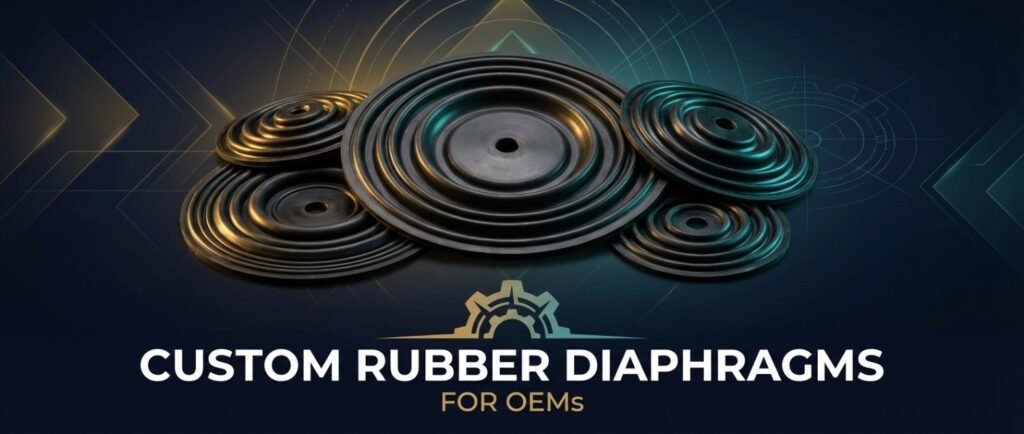
Rubber diaphragms are fundamental components in various industrial systems, ensuring reliable control of fluids and gases. Engineered to provide optimal sealing and precise flow management under demanding conditions, these diaphragms are essential in applications ranging from air-operated double diaphragm (AODD) pumps to high-performance dosing pumps. Their durability and adaptability make them indispensable for industries requiring efficiency, safety, and longevity.

At Arvico Rubber Industries, we leverage over 50 years of expertise to manufacture rubber diaphragms that meet the most rigorous industrial standards. Our commitment to quality and innovation has positioned us as a trusted leader in providing customized solutions for industries such as chemical processing, automotive, pharmaceutical, and fluid handling.

    The Role of Rubber Diaphragms in Industrial Systems

    Rubber diaphragms function as barriers that prevent the unintended transfer of fluids and gases between chambers, ensuring smooth and efficient system operation. They flex under varying pressures and environmental conditions, maintaining a secure seal that isolates different chambers within pumps, valves, actuators, and other fluid control devices.

    The function of a rubber diaphragm is to provide consistent and leak-proof performance over millions of cycles. Given their flexibility, durability, and chemical resistance, rubber diaphragms play a crucial role in industries including oil and petroleum, food processing, aerospace, and automotive manufacturing. Their ability to withstand high pressure, corrosive environments, and highly viscous materials makes them a cornerstone of reliable fluid and gas control.

    Types of Rubber Diaphragms and Their Specific Applications

    1. AODD Pump Diaphragms

    AODD pumps are designed to handle viscous fluids and challenging substances. Rubber diaphragms in these pumps enable precise fluid transfer by creating a leak-proof seal.Arvico manufactures AODD pump diaphragms in sizes ranging from 15 mm to 80 mm, delivering superior performance in harsh conditions. Their robust construction ensures extended lifespan and efficiency in industries such as mining, waste management, and chemical processing.

    2. Rolling/Cup Type Diaphragms

    Rolling diaphragms are essential in fluid control systems, particularly those involving cylinders and pistons. Their primary function is to ensure sealing in systems that require a high degree of movement without compromising efficiency. 

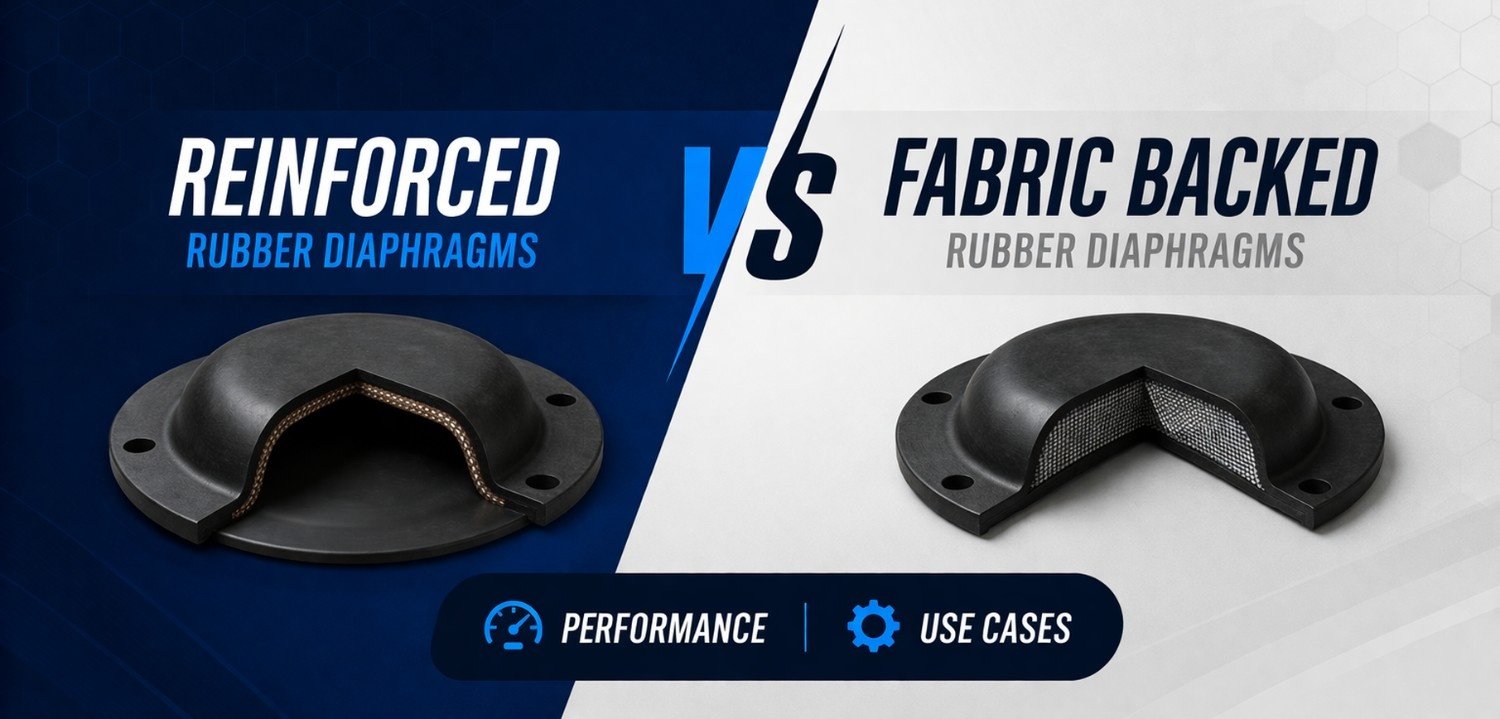
    Constructed with elastomer and fabric reinforcements, these diaphragms offer flexibility while maintaining tight seals. Arvico customizes rolling diaphragms to suit specific applications in hydraulic systems, automotive components, and fluid metering solutions, ensuring precise movement and sealing.

    Rubber Diaphragms

    3. Dosing/Metering Pump Diaphragms

    Dosing and metering pumps require precise fluid regulation, particularly when handling aggressive chemicals. The rubber diaphragms in these pumps must provide a secure, leak-proof seal to prevent contamination and ensure consistent performance.Arvico manufactures PTFE-laminated diaphragms with embedded inserts, specifically designed for use in dosing pumps. The PTFE layer ensures the diaphragm’s resistance to chemical exposure, extending its lifespan and maintaining secure sealing in applications like chemical processing and pharmaceuticals.

    Materials Used in Rubber Diaphragms

    The performance of rubber diaphragms is heavily influenced by the materials used in their construction. Arvico offers a broad range of elastomers tailored to withstand extreme conditions and specialized applications.

    Key Materials Offered by Arvico Rubber:

    • Natural Rubber: High resilience, tear strength, and flexibility, ideal for low-temperature applications.
    • Nitrile Rubber (NBR): Excellent resistance to oils, fuels, and hydraulic fluids, ensuring durability in industrial environments.
    • Neoprene: Superior resistance to weathering, ozone, and aging, making it suitable for automotive and industrial applications.
    • EPDM: Superior resistance to weathering and ozone, commonly used in outdoor and automotive applications.
    • Silicone Rubber: High flexibility and stability over a wide temperature range, making it ideal for food and pharmaceutical industries.
    • Viton (FKM): Excellent resistance to high temperatures, aggressive chemicals, and fuels, perfect for aerospace and automotive industries.
    Customised rubber diaphragms

    Benefits of Rubber Diaphragms

    1. Superior Sealing & Flexibility: Ensures leak-proof performance under varying pressures and temperatures, crucial for fluid control in pumps and valves.
    2. Durability & Longevity: Designed to endure millions of flex cycles with minimal maintenance, reducing downtime and operational costs.
    3. Chemical & Abrasion Resistance: Capable of withstanding exposure to harsh chemicals, oils, and abrasive materials, enhancing reliability in critical industries.
    4. Customizable Solutions: Arvico provides tailor-made diaphragms designed to meet specific industrial needs, offering the perfect balance of performance and durability.

    Conclusion: Engineering Excellence in Rubber Diaphragms

    Rubber diaphragms are integral to the efficient operation of fluid and gas control systems across multiple industries. At Arvico Rubber Industries, we take pride in delivering high-quality, custom-engineered diaphragms designed to enhance reliability and efficiency. By offering a wide range of diaphragm types, materials, and customization options, Arvico meets the specific needs of clients across industries such as chemical processing, aerospace, automotive, and food manufacturing. Whether for high-pressure systems, corrosive environments, or precise fluid metering applications, Arvico Rubber’s diaphragms deliver precision, durability, and unmatched performance.

    Trust Arvico Rubber for superior industrial diaphragm solutions – engineered for precision and built for excellence.

    Advanced Engineering of Rubber Diaphragms: Precision Solutions for Critical Applications Read More »

    Types of Rubber Molding Processes

    Types of Rubber Molding Processes

    Introduction

    Rubber is one of the most used raw materials across different industries. Both natural and synthetic rubber is used extensively to make everything starting from the tiniest of home goods to massive structures used in industries. There are different types of rubber molding used in producing rubber components, and the features of the product would depend on the manufacturing process and the type of molding chosen.

    Did you know that India is the fourth largest consumer of rubber? According to sources, the per capita consumption of rubber is 1.2 kg. The Indian Rubber Industry states that rubber manufacturing companies in the country produce more than 35,000 different rubber products. All these products use one of the below molding types to be manufactured.

    Here are the three most popular types of rubber molding used by industries to create rubber components and products.

    Call Us for Rubber

    Rubber Injection Molding

    Rubber injection molding is probably the most straightforward and commonly used type of rubber molding chosen by manufacturers across the world. As the name specifies, this type involves injecting a rubber compound into a mold and keeping the mold under high pressure for the component to get shape.

    There are four sub-components of rubber injection molding.

    1. Organic rubber injection

    Organic rubber injection starts with prepping the rubber component by stripping and mixing it before feeding it into the screw. As a result, there is no need to preheat the rubber and the completion type reduces too.

    2. LSR injection

    Liquid Silicone Rubber (LSR) injection is a type of liquid injection method used specifically for silicone rubber. Parts of liquid silicone are sent into the injection unit. This is cured and injected into the mold.

    3. Thermoplastic rubber injection

    Thermoplastic rubber injection is a process of using thermoplastic elastomers, also known as TPEs, to create molded components in. This type of rubber molding process needs high temperatures to work and that is one challenge in using TPEs. However, with TPEs, the manufacturer can avoid the initial tasks of mixing and vulcanizing.

    4. Custom rubber injection molding

    This is a completely customized process where the manufacturer decides every single aspect of injection molding, starting from the raw material used, the injection molding process, and the temperature and pressure decided based on customer requirements.

    Advantages of rubber injection molding

    • Lower costs – injection molding is usually cheaper to achieve, and that makes it a preferred type of rubber molding.
    • Easier process – rubber injection molding is a straightforward process that does not involve many complicated steps, and this is also an advantage of using this over other types of rubber molding.
    • Better precisionin case smaller and more intricate parts are to be produced, the best choice in the list of different types of rubber molding is rubber injection.

    Disadvantages of rubber injection molding

    • Higher setup costs – while the cost of producing rubber components is lower for rubber injection molding when it comes to the setup costs, this involves more initial expenses. The cost of the production machinery is higher too.
    • Generation of waste – the process of producing rubber using this type of rubber molding generates more amounts of waste that can be avoided when other types of molding processes are used.

    1. Compression Molding

    Compressing molding is also one of the popular types of rubber molding used in creating rubber components across different industries. As the name suggests, this process uses compression to create the structures.

    Preheated materials are poured into the mold or cavity, and the mold is then closed and compressed at a certain temperature and pressure. Usually, hydraulic pressure is used to achieve the effect.

    The compression is applied for a specified period of time, and then the formed structure is removed.

    A compression unit usually consists of the following parts.

    1. A movable top half of the mold
    2. A fixed bottom half of the mold
    3. An ejector pin to remove the finished product

    Advantages of compression molding

    • Low initial setup cost – the initial cost of setting up is quite low, compared to other types of rubber molding.
    • Works for low-volume production – the cost of production does not increase, even for low-volume outputs.
    • Works best for large components – large components can be easily produced using this method.

    Disadvantages of compression molding

    • Low dimensional tolerance – this type of rubber molding does not work well for components that are small and intricate. Precision molding may be needed for certain components where even the smallest of shape changes may be detrimental. In that case, compression molding cannot be chosen.
    • High wastage production – there is high wastage produced with the production process.
    • High production time – the time taken to produce components is high, as there is a considerable waiting time after compression.

    2. Transfer Molding

    Transfer molding is another of the popular types of rubber molding that produces rubber components of different types. There are two major halves of the mold. The upper half has a cavity where the raw material needs to be placed.

    The upper half comes with a plunger that can be used to push the raw material through a narrow cavity.

    The raw material goes to the heated mold through this cavity and takes shape. Once the product cools down and is vulcanized, it can be extracted through the bottom half by removing the ejector pins.

    Advantages of transfer molding

    • High dimensional tolerance – as long as the mold is shaped right, the final product can be designed to have high dimensional tolerance.
    • Metal-rubber bonding – this technique can be used to create precise and high-quality metal rubber bonding designs.
    • Easy molding process – the overall process of molding is straightforward and easy, saving time and effort.

    Disadvantages of transfer molding

    • High initial costs – the initial setup costs for this type of rubber molding are pretty high.
    • Additional finishing processes – the final product must go through additional deflashing techniques to be completed.
    • Additional prepping time – the raw material needs to be cured for a specific amount of time before it can be molded. This increases the overall cycle time of production.
    Whatsapp Us for Rubber Products Manufacturer & Supplier in India

    3. Rubber Molding with Arvico Rubber

    Arvico Rubber is your favorite rubber component manufacturer, and we specialize in using all these three types of rubber molding to create components based on your specifications.

    Arvico Rubber comes with 55+ years of experience in this industry, and some of the components we specialize in are gaskets, diaphragms, seals and sleeves, expansion joints, O-Rings, and bearing bushes.

    We understand how important dimensional tolerance and quality are to our clients, and that is why we always have prep meetings to understand the requirements completely before accepting projects.

    Our design team can produce molds with 100% precision, and all finished products go through multiple levels of quality testing before reaching our clients.

    Whatever type of rubber molding you want for your components, we get that done in the quickest possible time. Please get in touch with our expert consulting team to know how we can help improve the quality of your manufacturing process with our components.

    Types of Rubber Molding Processes Read More »

    How to Find the Tensile Strength of Rubber?

    How to Find the Tensile Strength of Rubber?

    The tensile strength of rubber is a very important factor that determines the quality of the polymer chosen. Tensile strength tests are also part of quality checks to determine whether a finished polymer product is of expected quality.

    Tensile strength determines how much load rubber can handle before breaking up or getting damaged. As someone using rubber components, you should be aware of the tensile strength of rubber to ensure your machinery or part works according to specifications.

    What is Tensile Strength?

    By definition, it is the maximum force that a material can handle (rubber, in this case) before it breaks down. The unit of tensile strength is pounds per square inch (psi). The tensile strength can also be denoted as Mpa (Megapascals).

    Different types of rubber have different kinds of tensile strengths, and manufacturers may be asked to choose the type of rubber depending on the strength they need.

    Email Us for Rubber Products Manufacturer & Supplier in India

    Why know the Rubber Tensile Strength? 

    Rubber is a flexible and moldable material. When you keep putting pressure on the material, after a point in time, the fibers of the material will break, causing damage. Knowing the tensile strength of rubber will help in knowing the exact point at which this breakdown will occur.

    There are three basic types.

    1. Yield strength – This is the maximum force the rubber can handle without going through permanent deformation. For instance, when a rubber band is stretched to a particular point and left free, it returns back to its original shape. That’s the yield strength.
    2. Ultimate strength – This is the tensile strength of rubber very close to the breakdown point. Any force beyond this may cause breakage of the material.
    3. Breakdown strength – This force will cause permanent deformation or damage to the rubber material.

    How Does Tensile Impact Product Performance?

    Multiple rubber components like valves, seals, and diaphragms may be used in machinery. These components play several roles, including sealing, friction reduction, leakage protection, or vibration suppression.

    One inferior quality rubber seal with low strength may cause hazardous leakages and harm people and property in a matter of seconds. A low-strength valve may get damaged and break down when there is an inflow of erosive fluids, leading to productivity loss.

    Let’s consider a simple rubber valve fitted in tires to control air pressure. The valve must handle the internal air pressure for it to work for long. Air valves with low strength may need to be replaced more often, bringing down the quality of the product.

    Finding the Tensile Strength of Rubber

    Two common test methods are used in finding the tensile strength of rubber.

    1. Dumbbell cut-out method – In this method, a small piece of the sample rubber is cut into the shape of a dumbbell. The cut-out should be between the thicknesses of 1.3 mm and 3.3 mm. The sample will now be stretched until it breaks. The force applied and the elongation shape will be noted down, and the tensile strength will be calculated.
    2. Ring cut-out method – This method is similar to the first method except that the sample will be in the form of thin rings. These rings would be stretched, and the force applied and elongation shape will be noted to calculate the tensile strength.

    How Does the Rubber Strength Vary Between Different Types of Rubber?

    The physical properties of different types of rubber change their tensile strengths too. The polymer chains and the crosslinks that make up a material decide how strong the final rubber will be.

    Synthetic rubber can be created using a mix of different polymers and additives to make them exceptionally strong and of high tensile strength of rubber.

    The following are the tensile strengths of different types of rubber, as marked by Arvico Rubber experts.

    Types of rubberTensile Strength in Mpa
    Natural22
    Nitrile13
    HNBR22
    Neoprene14
    Hypalon20.3
    Butyl17
    EDPM15.2
    Silicone10
    Viton10
    Polyurethane14
    PTFE31

    As you can see, PTFE rubber (Polytetrafluoroethylene rubber) is the strongest in terms of tensile value. Natural rubber also has a good tensile strength of 22. Materials like silicone, Viton, and nitrile fall under the bottom three in terms of tensile strength.

    PTEF

    How to Change the Strength of Rubber?

    Naturally, different types of rubber come with different tensile strengths. However, you can change the tensile strength of a particular polymer by mixing in different fillers with different chemical properties to the polymer while producing it.

    Do remember that the tensile strength change with different scenarios. While in normal state, natural rubber has a higher tensile strength than silicone rubber, when these materials are heated, the tensile strength gap reduces between these two types of polymers.

    How to Test the Tensile Strength of an Existing Rubber Component?

    Let’s say you ordered a million pieces of rubber valves, and the rubber component manufacturer gave you some samples to check out.

    It is important for your team to find the tensile strength of rubber used in making the component before giving the go-ahead for the rest of the component manufacturing.

    The easiest way to do this is to use either the dumbbell cut-out test or the ring cut-out test. A small part of the component can be cut or molded into either of these shapes, and the tensile test can be conducted.

    If possible, ask the manufacturer for a raw piece of the polymer to conduct the test, which may give more accurate results. It is always recommended to get the tensile test done and not depend on the values that the manufacturer mention, especially when the order is large.

    Whatsapp Us for Rubber Products Manufacturer & Supplier in India

    Takeaways

    Knowing the strength of the rubber used in creating your components will help you use the component in an effective manner. While higher tensile strength is usually considered beneficial, you need to remember that polymers with high tensile strength may have other limitations, like a high oxidation rate or being erosion-prone.

    We at Arvico Rubber start all client discussions with a clear mention of all essential features of the polymer of choice, including its tensile strength. We can also help clients choose the right polymer from the different types of rubber materials that we offer, depending on their component usage and specifications.

    If you would like to know more about tensile strength of rubber and other component offerings and our success stories, please get in touch with us at info@arvicorubber.com. You can also check our expansive product portfolio online and place orders for custom-engineering products of different specifications.

    How to Find the Tensile Strength of Rubber? Read More »

    What is vulcanised rubber, and how is it used?

    What is vulcanised rubber, and how is it used?

    Many industries prefer vulcanised rubber over traditionally processed rubber because the former is stronger, more durable, and can handle extreme temperatures much better. Vulcanisation is a relatively new process and has existed for only a few centuries.

    This blog will take you through the basics of vulcanised rubber, its history, uses, types, and other useful information that will help.

    What is vulcanised rubber?

    Vulcanisation is a process of hardening rubber. There are two kinds of rubbers commonly used – natural and synthetic. About 70% of all rubbers used these days are synthetic. These rubbers are created using various techniques and with different additives in rubber industries, depending on what features the final product needs to have.

    In their initial stages, synthetic and natural rubbers can be very sticky and with low tensile strength and may not be useful at extreme temperatures or pressures. That’s why such rubbers go through vulcanisation to improve their beneficial properties and make them durable. 

    Call Us for vulcanised rubber

    A brief history of vulcanised rubber

    During the 1800s, the number of vehicles produced started slowly increasing all over the world. In really hot countries, there was one problem, though. The rubber in the tires got heated up on the road and would stick to the road and burst off after a while.

    Rubber manufacturers were trying all kinds of ways to improve the life of tires, and this is when Charles Goodyear, a chemist, tried adding different chemicals to rubber and heating it to see if the physical properties changed.

    It tool him a while to realize that the heating process was making beneficial changes and not the chemicals added. Over time, he created a process of adding sulfur and heating rubber to make it durable and hard.

    This process was patented and was called vulcanisation. Vulcanised rubber handled high temperatures easily and was flexible, hard, and extremely durable. Right now, all rubber tires are vulcanised to improve their shelf life.

    Where are vulcanised rubber used?

    There are so many uses of vulcanised rubber in industries and everyday life. Some of the popular uses are mentioned below.

    Did you know that about one billion tires are produced worldwide every year? Vulcanised rubber is in great demand throughout the year and will continue to be used for various purposes over the years.

    Do also read our blog on rubber deterioration to understand how to prevent the failure of rubber parts.

    Stages of vulcanisation

    There are three basic stages in creating vulcanised rubber.

    1. Induction stage
    2. Curing stage
    3. Optimum stage

    Induction stage – This is the first stage of creating vulcanised rubber. Here, the right rubber material is chosen, and in many cases, it is shaped before it gets heated. This is because once the rubber heats and hardens, it may be impossible to shape. This stage is also called the scorching stage. The heating happens gradually, and the cross-linking begins.

    Curing stage – In this stage, the rubber gets heated to up to 400 degrees Fahrenheit. At this temperature, permanent cross-links are formed, and the vulcanised rubber slowly forms.

    Optimum stage – In the optimum stage, the heating process is finished, and the rubber is let to get back to its new, finished state. Beyond the optimum stage, if the rubber remains hot and keeps changing properties, it is called the over-curing stage. 

    The number of crosslinks formed depends on how long the rubber was cured, the curing material used, the time given for the rubber to reach the optimum stage, and the natural properties of the type of rubber used.

    The science behind vulcanised rubber

    Natual rubber and SBR rubber vulcanisation

    The science behind sulfur vulcanisation is based on cross-linking action. Sulfur vulcanisation is popularly applied to natural rubber and styrene-butadiene rubber (SBR). These types of rubber are first heated, and sulfur is added to them.

    When the rubber is heated, some of the C-H bonds in the material are replaced by sulfur atom chains. This is called crosslinking. The more crosslinking that happens, the more changes the rubber material goes through.

    Sulfur cross-linking gives the material strength, durability, and heat resistance.

    Polychloroprene vulcanisation

    Neoprene or polychloroprene is a type of rubber that also has several beneficial properties and hence is often vulcanised. The vulcanised rubber, in this case, comes with both the natural benefits of neoprene rubber and the strength of the vulcanisation process.

    In this process, neoprene rubber is heated along with metal oxides like Zinc oxide, Magnesium oxide, and lead oxide.

    Whatsapp Us for Rubber Products Manufacturer & Supplier in India

    What are the other additives added to vulcanised rubber?

    Apart from the curing materials like sulfur or metal oxides, the following are other additives added to vulcanised rubber.

    1. Accelerators that quicken the vulcanisation properties like guanidines, xanthates, thiazoles, thiurams, and dithiocarbamates
    2. Anti-oxidants like phenolics, amines, and phosphites
    3. Coagulants like calcium chlorides and acetic acids
    4. Softeners, if needed
    5. Dyes or color pigments
    6. Surfactants
    7. Anti-foaming agents

    Benefits of vulcanised rubber

    The following are some of the benefits of vulcanised rubber.

    1. High resistance to temperature changes
    2.  Is not affected by heat
    3. Very durable and long-lasting
    4. Returns to original shape quickly
    5. Good insulator
    6. Resistant to oxidation and UV damage
    7. Resistant to abrasion

    Conclusion

    Vulcanised rubber is one of the most versatile materials ever found, and there have been so many industries benefit from it. vulcanization makes rubber stronger, more flexible, and extremely heat resistant.

    Just like any other product, the way vulcanised rubber is made reflects in its rubber quality. So make sure you pick the right manufacturer.

    If you think your rubber components don’t last as long and as well as they used to, then maybe vulcanised components are what you need.

    Arvico Rubber can help you choose the suitable rubber material to create components in, so their physical features can handle the internal and external factors they come in contact with. With an in-house designing team and a state-of-art manufacturing facility, we ensure the components we manufacture are precise and 100% adherent to expectations.

    What is vulcanised rubber, and how is it used? Read More »

    Know the Basics of Rubber Extrusion Profiles

    Know the Basics of Rubber Extrusion Profiles

    Rubber extrusion is the process of turning rubber into a product with a specific and intended shape and size. Depending on the end shape, different rubber extrusion profiles can be available. Arvico Rubber has many standard extrusion profiles for commonly used products and also has an in-house team to customize the profiles based on exact customer requirements.

    This blog will take you through different kinds of rubber extrusion profiles, their production process, use, and benefits.

    How Does Rubber Extrusion Work?

    Extrusion is the process of forming a shape by pushing a material through a predesigned mold. Rubber extrusion profiles have an easy and straight forward working mechanism.

    The rubber manufacturer has an extruder machine, and the specific profile-shaped die or mold is fitted in. A rubber compound is now chosen. The compound is the base material in which the profile needs to be made in.

    Call Us for Rubber Extrusion

    You can create rubber extrusion profiles in any of the following rubber compounds, including the ones below.

    1. Silicone
    2. EDPM
    3. Neoprene
    4. Nitrile rubber
    5. Viton
    6. Butyl

    Silicone extrusion profiles are very popular among our clients because of the various beneficial physical properties of silicone rubber. Silicone profiles come with the following features.

    Heat resistant
    Flexible and easily moldable
    Fire resistant
    Acid resistant
    180 degrees heat aging
    Oxidation resistant
    UV resistant

    One of the main parts of an extruder that leads to 100% of design specifications being met is the die or mold. This can be made of steel or other durable materials. When the die is designed to match client requirements 100%, the end product will have the right design too.

    Not many rubber manufacturing companies have the capacity to create complex rubber extrusion profiles because their die-manufacturing capacities are limited. Arvico Rubber is different, though! We understand how vital precision is in creating these rubber extrusion profiles; that is why our design team is one of the best in the country.

    Every customized extrusion profile will go through multiple levels of sample testing and quality testing before full-fledged manufacturing starts. As a result, you don’t have to worry about the parts not meeting your exact needs.

    All products that we manufacture go through the below range of extensive quality testing before they are sent to the customers.

    rubber extrusion profiles

    What are the Advantages of Rubber Extrusion, Rubber Extruded Products and Rubber Extrusion Profiles ?

    The following are some of the advantages of rubber extrusion profiles and products made using rubber extrusion.

    1. An economical way to produce rubber components.
    2. Wastage is minimal in this production process.
    3. It is easy to customize any type of profile by just making the appropriate die cast.
    4. It is possible to automate production and create multiple pieces of rubber extrusion profiles one after the other.
    5. Depending on the type of rubber used, these profiles can be resistant to aging and other external factors and be flexible and robust.
    6. Rubber extrusion profiles can be created to exactly match sizing and dimension requirements. You don’t have to worry about ill fits.

    What are the Common Profiles of Rubber Extruded Products?

    There can be so many profiles of rubber extrusion profiles that can be created. The sky is the limit when it comes to design choices. However, the following are some of the common profiles you can see being offered by rubber manufacturers.

    1. Round profiles
    2. Semi-round profiles
    3. Square profiles
    4. Rectangle profiles
    5. U channel profiles
    6. D, E, J, L, P, or T-shaped profiles

    Extruded Rubber Seals

    When we talk about extruded products, one category that we cannot miss is extruded rubber seals. Rubber seals play an essential role in almost all industries. This humble item can save expensive equipment, quicken certain manufacturing steps, and sometimes even save the plant and people in it from hazardous leakages.

    As the name specifies, seals seal surfaces so that there is no leakage in the rubber expansion joints. Seals can prevent solid, liquid, and gaseous leakages effectively. Depending on what kind of product flows through pipes, the right kind of rubber seals must be chosen.

    Arvico Rubber’s rubber seals are commonly used in our butterfly valves, and these offer perfect sealing in three areas – pipe sealing, flanges, and operating shafts. 

    Get in touch with our experts about your exact requirements and they will be able to suggest the type of rubber material to be chosen for making the seals.

    rubber sleeves

    Rubber Extrusion Profile Applications

    Rubber extrusion profiles can be used for so many applications, including the following.

    1. Door seals
    2. Window seals
    3. Angle grips
    4. Silicone extrusion profile tubes
    5. Rubber buffers
    6. Edge protectors
    7. Rubber seals
    8. Expansion seals
    9. Sponge cords
    10. Cable protectors

    How to Choose the Right Rubber Extrusion Profiles

    Let’s say you have a requirement to create seals for one of your parts. The first thing for you to do is talk to a rubber component manufacturer like Arvico Rubber to understand what kind of seals may suit your need.

    Our team will get all the basic information right from you before we work internally on the recommendations. The details required may include what kind of part requires the seals, if the seal would come in contact with materials that flow through the parts, what size the part and the sealing joint would be, and what external factors would affect the seal during functioning.

    Based on all this, our team would come up with recommendations. You may be advised to pick up silicone extrusion profiles if we think the seal needs to be resistant to oxidation, UV rays, temperature changes, acids, and sunlight, apart from being flexible but lightweight.

    We may advise you to pick up nitrile extrusion seals if they come in contact with oils or gasoline. Our recommendation would also be based on other factors like budget too.

    Our plant has the ability to produce 100% precise rubber extrusion profiles in whatever shape you require. We make sure even the most complex of designs are done with expertise, and all products are quality checked in multiple stages before they reach you.

    Whatsapp Us for Rubber Products Manufacturer & Supplier in India

    Conclusion

    Rubber extrusion profiles have made the production of precise and quality rubber components easy, hassle-free, and affordable too. The fact that this rubber extrusion process does not lead to excessive wastage is something environmentally-conscious manufacturers love about it.

    Arvico Rubber is your perfect partner for producing rubber seals, valves, gaskets, diaphragms, expansion joints, O-rings, and extruded rubber profiles and cords with any specifications you need. We also manufacture other kinds of rubber components needed across various industries.

    Know the Basics of Rubber Extrusion Profiles Read More »