Arindam Mallick

Reinforced vs Fabric Backed Rubber Diaphragms: Performance & Use Cases

Reinforced vs Fabric Backed Rubber Diaphragms: Performance & Use Cases
Reinforced vs Fabric Backed Rubber Diaphragms: Performance & Use Cases

Reinforced vs Fabric Backed Rubber Diaphragms: Performance & Use Cases

In industrial sealing applications, rubber diaphragms play a critical role in ensuring reliable pressure control, flexibility, and durability. However, not all diaphragms are built the same. For demanding applications, manufacturers often choose between reinforced rubber diaphragms and fabric-backed diaphragms, each designed to enhance performance under specific operating conditions.

Understanding the differences between these two types is essential for OEMs and engineers looking to optimise performance and service life.


What Are Reinforced Rubber Diaphragms?

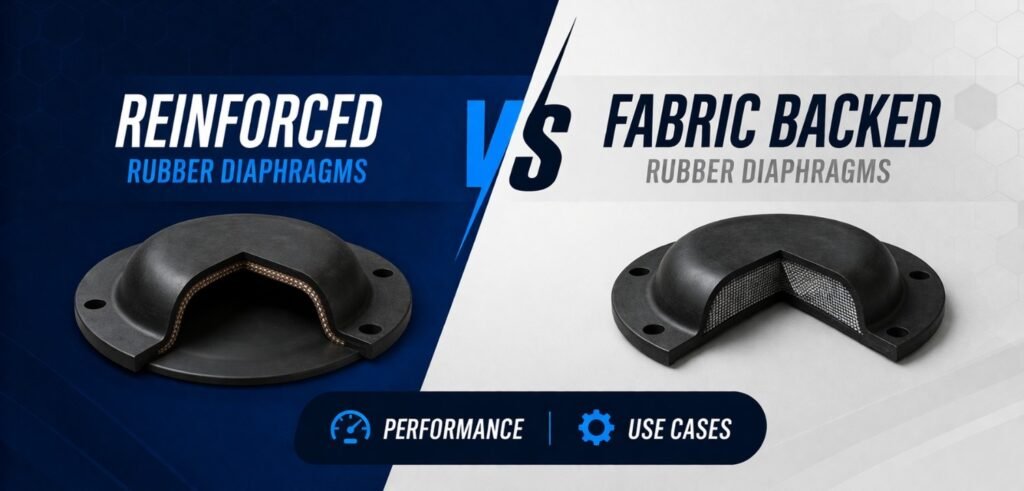
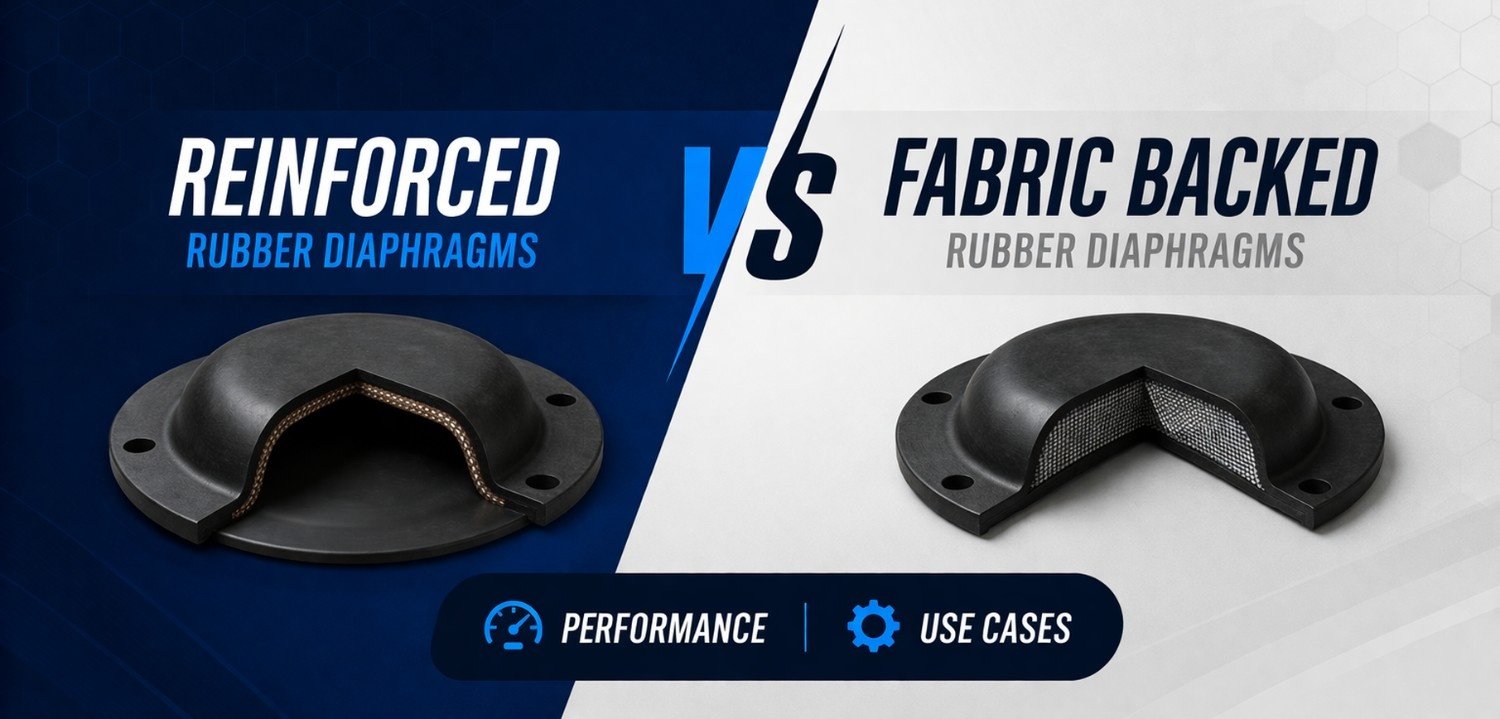
Reinforced rubber diaphragms are designed with an additional strengthening layer embedded within the rubber structure. This reinforcement is often made from synthetic fabric or mesh improves the diaphragm’s mechanical strength, dimensional stability, and resistance to deformation.  

Key Benefits

  • Higher resistance to pressure and stress
  • Reduced risk of ballooning or distortion
  • Improved durability in cyclic operations
  • Enhanced performance in high load environments

These diaphragms are widely used in pumps, valves, actuators and control systems where consistent performance under pressure is critical.


What Are Fabric Backed Rubber Diaphragms?

Fabric backed diaphragms feature a fabric layer bonded to one side of the rubber. Unlike fully reinforced diaphragms, this design primarily enhances flexibility control and directional strength rather than overall structural reinforcement.

Key Benefits

  • Controlled flexibility and movement
  • Improved tear resistance
  • Better shape retention during repeated cycles
  • Cost effective for moderate duty applications

They are commonly used in low to medium pressure systems, including pneumatic devices and lightweight valve assemblies.

Feature Reinforced Diaphragms Fabric Backed Diaphragm

Structure

Embedded reinforcement layer

Fabric layer on one side

Pressure Handling

High

Moderate

Flexibility

Moderate

High (controlled)

Durability

Excellent for heavy duty use

Suitable for lighter cycles

Typical Applications

Pumps, Valves, Industrial Systems

Pneumatic and low pressure systems

Choosing the Right Diaphragm

The selection between reinforced and fabric backed diaphragms depends on several key factors

  • Operating pressure and load conditions
  • Frequency of actuation cycles
  • Required flexibility vs strength
  • Application environment (chemical, temperature exposure)

For high pressure, high cycle industrial applications, reinforced diaphragms offer superior reliability and longer service life. On the other hand, fabric backed diaphragms provide a cost effective solution where flexibility and moderate performance are sufficient.

[wp_comments]

Reinforced vs Fabric Backed Rubber Diaphragms: Performance & Use Cases Read More »
Precision Rubber Gasket Manufacturer

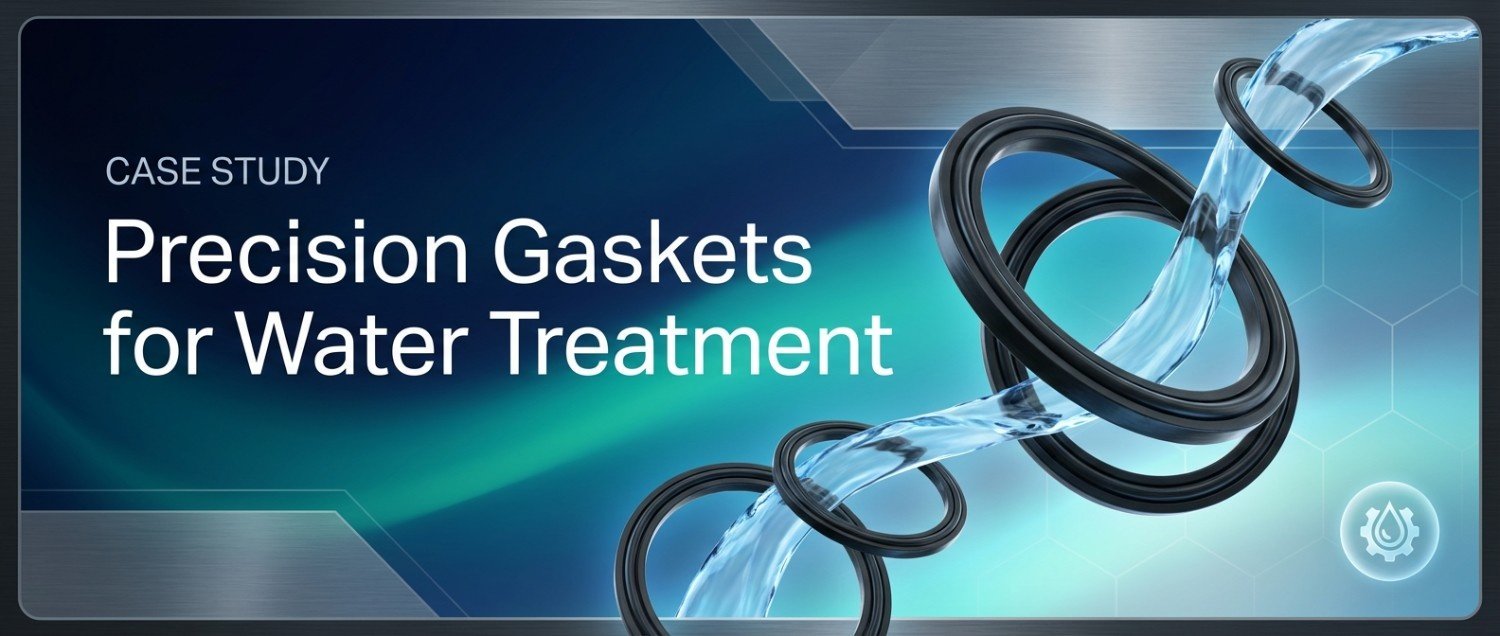
How Precision Rubber Gaskets Minimize Downtime in Water Treatment Systems?

How Precision Rubber Gaskets Minimize Downtime in Water Treatment Systems?

Precision Rubber Gasket Manufacturer

Frequent Leakage Issues in Water Treatment Systems: A Major Operational Concern


A water treatment OEM was facing frequent leakage failures in filtration and valve systems due to inconsistent gasket performance. This resulted in unplanned downtime, increased maintenance costs, and reduced operational efficiency.

Why Rubber Gaskets Fail in Chemical Exposure and Fluctuating Pressures?


The existing sealing gaskets were unable to withstand continuous exposure to treated water, chemicals, and fluctuating pressure conditions. Premature wear and deformation were leading to systems shutdowns and frequent replacements

The client required a reliable custom rubber gasket solution that could ensure leak proof sealing and long term durability.

Application & Operating Conditions for Rubber Gaskets in Water Treatment Filtration Units


  • Water treatment filtration units
  • Continuous operation environment
  • Exposure to mild chemicals
  • Moderate pressure variations
  • High reliability requirement

The system demanded industrial rubber gaskets capable of maintaining sealing integrity over extended service cycles.

Arvico’s Custom Rubber Gaskets for Water Treatment Systems


We developed precision engineered rubber gaskets tailored for the application.
The material was selected to provide:

  • Excellent water resistance
  • Chemical compatibility
  • Dimensional stability
  • Long term sealing performance

This ensured consistent sealing even under variable operating conditions.

Manufacturing & Quality Approach for Reliable Rubber Gaskets


To meet export grade performance standards, Arvico ensured:

  • Controlled material selection
  • Precision moulded gasket production
  • Tight dimensional tolerances
  • Batch traceability

Each gasket underwent quality inspection to ensure consistent performance in critical water treatment systems.

Rubber Gaskets Results & Performance Improvements


Following implementation, the client observed:

  • Significant reduction in leakage issues
  • Improved system uptime
  • Lower maintenance frequency
  • Enhanced operational reliability

The precision gasket design helped stabilise system performance across extended operating cycles.

Consistent Sealing with Custom Rubber Gaskets Efficiency in Water Treatment Systems


By partnering with an experienced industrial rubber gasket manufacturer, the company successfully reduced downtime and improved the efficiency of their water treatment systems. Arvico’s customised sealing solution enabled long term performance consistency, supporting reliable operation in demanding water treatment environments.

[wp_comments]

How Precision Rubber Gaskets Minimize Downtime in Water Treatment Systems? Read More »

PTFE Bonded Diaphragm for High Temperature Industrial Pumps

PTFE Bonded Diaphragm Solution for High Temperature Industrial Pumps

PTFE Bonded Diaphragm Solution for High Temperature Industrial Pumps

PTFE Bonded Diaphragm for High Temperature Industrial Pumps

Frequent Diaphragm Failures in High-Temperature Industrial Pumps


A leading industrial pump manufacturer was facing premature diaphragm failures in pumps used for handling high temperature and chemically aggressive fluids. Frequent breakdowns were causing operational downtime and increased maintenance costs.


Challenges with Current Elastomer Seals in High-Temperature Chemical Applications


The existing elastomer diaphragms were unable to withstand:

  • Continuous exposure to corrosive chemicals
  • Operating temperatures above 180°C
  • Cyclic pressure loading in continuous duty pumps
  • Strict leakage control requirements

The client required a high temperature, chemical resistant diaphragm solution with improved service life and structural integrity.


Application & Operating Conditions Rubber Diaphragms in High-Temperature Pump Systems


  • Industry: Chemical Processing
  • Temperature Range: 180°C – 220°C
  • Media: Corrosive solvents and reactive chemicals
  • Pressure: Continuous cyclic load
  • Application: Industrial fluid transfer pumps

The solution needed to maintain flexibility while ensuring long term chemical compatibility of high-performance rubber diaphragms.


Custom Engineered PTFE Bonded Rubber Diaphragms: Arvico’s Solution


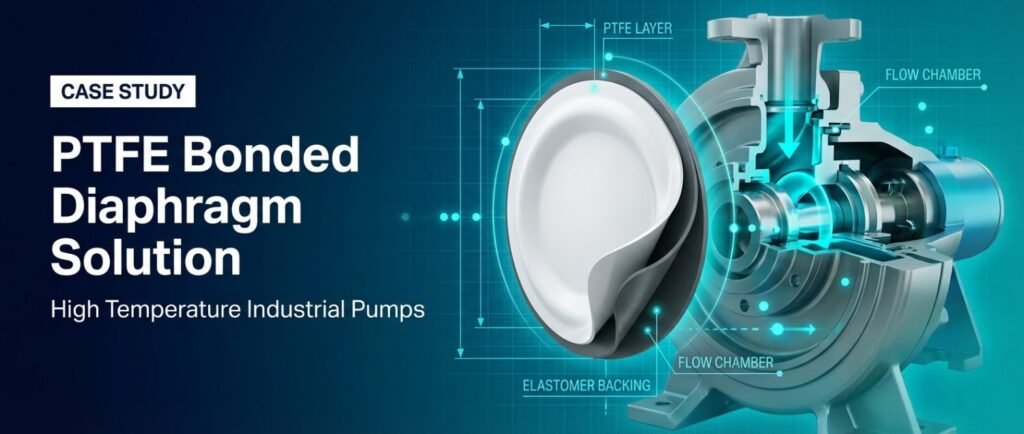
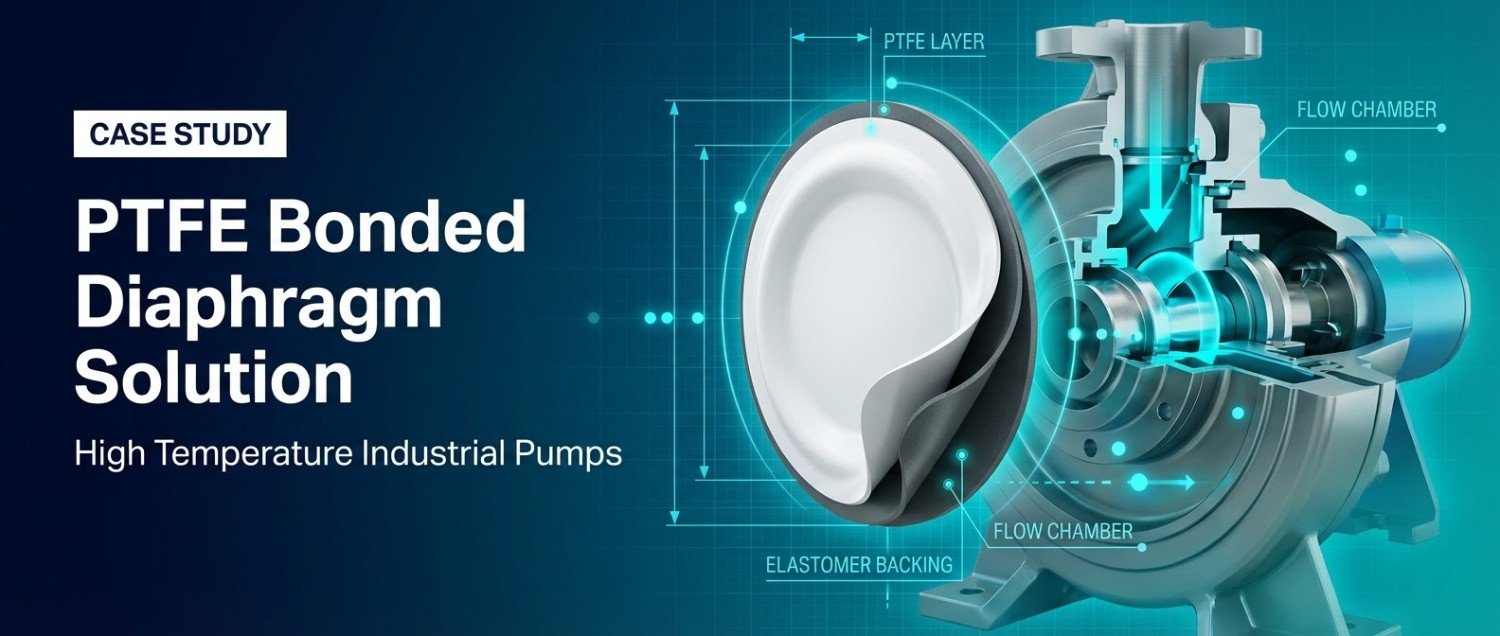
Arvico engineered a PTFE-bonded rubber diaphragm combining:

  • A chemically inert PTFE layer for direct media contact
  • A high performance elastomer backing for flexibility and fatigue resistance
  • Advanced bonding technology to prevent failure

This hybrid construction delivered both chemical resistance and dynamic sealing performance, ideal for demanding pump applications.


Manufacturing High-Quality Rubber Diaphragms with PTFE Bonding Technology


  • Precision compression moulding for uniform thickness
  • Controlled PTFE to elastomer bonding process
  • Batch wise material traceability
  • Dimensional and bond integrity testing
  • Export grade quality standards

Each diaphragm was tested to ensure performance under high temperature and pressure conditions.


Results & Performance Improvements: 2-3x Increase in Service Life of Diaphragms


  • 2–3x increase in diaphragm service life
  • Reduced maintenance downtime
  • Improved sealing reliability at elevated temperatures
  • Lower total cost of ownership

The PTFE bonded diaphragm significantly enhanced pump performance in aggressive industrial environments.


The Final Outcome: Enhanced Pump Performance and Reduced Maintenance Costs


By partnering with an experienced PTFE bonded diaphragm manufacturer, the client achieved a durable, high performance industrial pump sealing solution designed for long term reliability in high temperature chemical applications.

[wp_comments]

PTFE Bonded Diaphragm Solution for High Temperature Industrial Pumps Read More »

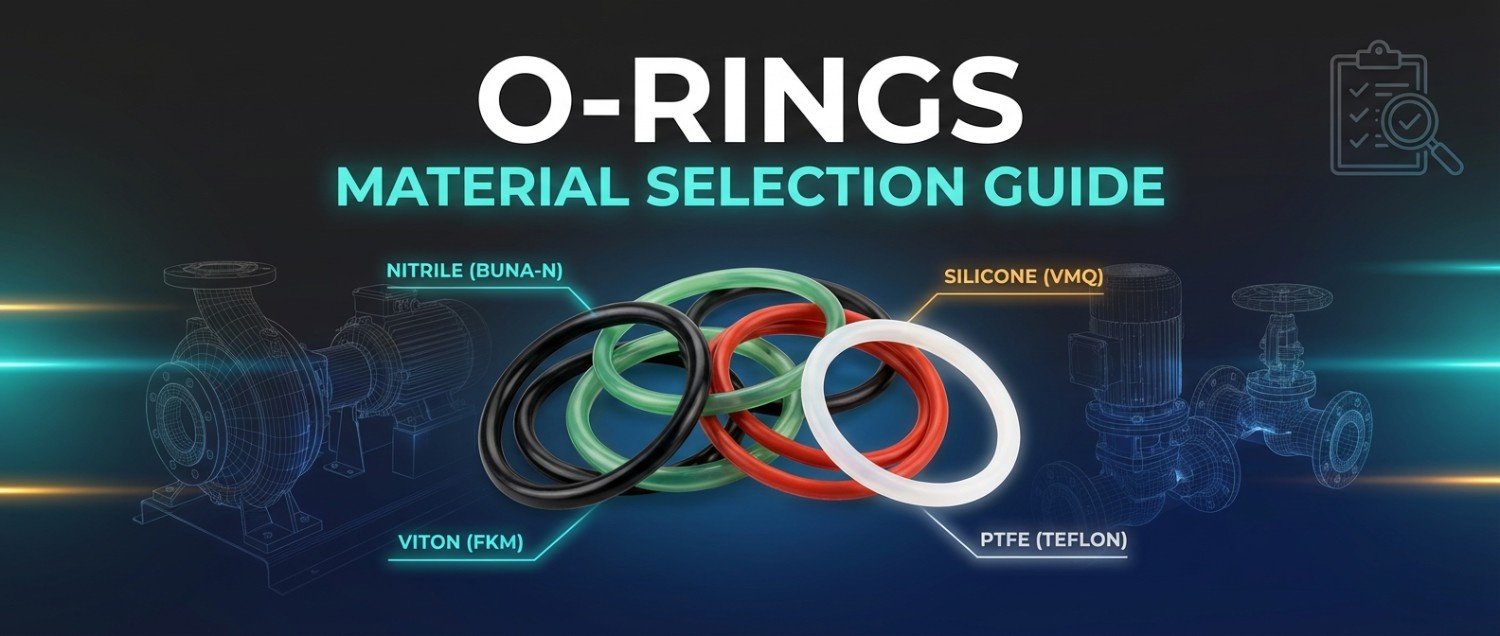
O-Rings Used in Pumps and Valves: A Material Selection Guide

O-Rings Used in Pumps and Valves: A Material Selection Guide

O-Rings Used in Pumps and Valves: A Material Selection Guide

O-Rings Used in Pumps and Valves: A Material Selection Guide

O-rings are among the most widely used sealing components in industrial equipment, particularly in pumps and valves where reliable sealing is critical to maintaining system efficiency. These simple yet highly effective components prevent fluid leakage, maintain pressure integrity, and ensure smooth equipment operation.

However, selecting the right O-ring material for pumps and valves is essential. The operating environment including temperature, pressure, and chemical exposure directly impacts sealing performance and service life.


Why Material Selection Matters

Pumps and valves operate under varying conditions such as continuous pressure cycles, fluid exposure and fluctuating temperatures. If the wrong material is used, O-rings may swell, crack or lose elasticity, leading to leakage and costly equipment downtime.

Choosing the correct industrial O-ring material ensures durability, sealing reliability, and long term performance.


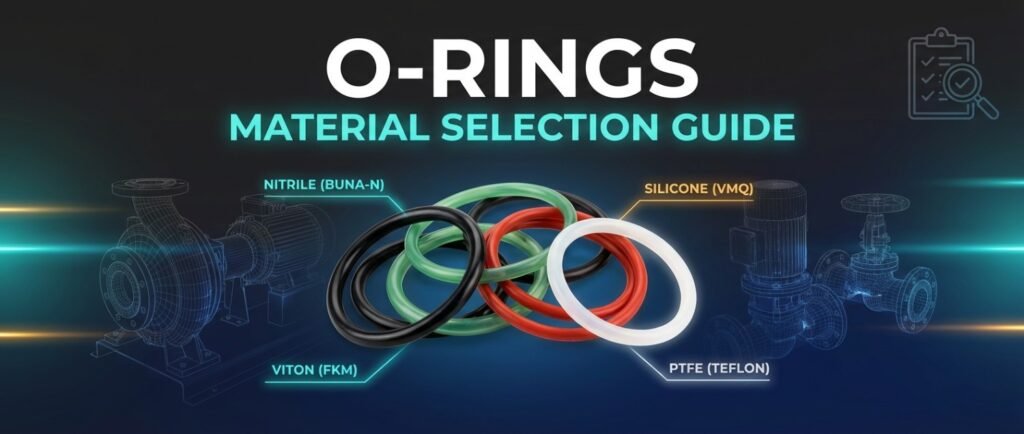
Common O-Ring Materials for Pumps and Valves


NBR (Nitrile Rubber)


NBR O-rings are one of the most commonly used materials in industrial sealing applications.

Key advantages

  • Excellent resistance to oils and fuels
  • Good mechanical strength
  • Cost-effective for general industrial use

Typical applications

Hydraulic pumps, fuel systems, and general fluid handling equipment.


EPDM 


EPDM O-rings are widely used in water based systems and applications exposed to weather or steam.

Key advantages

  • Excellent resistance to water and steam
  • Good resistance to weathering and aging
  • Suitable for outdoor and water treatment applications

Typical applications

Water pumps, valve systems, and water treatment equipment.


FKM (Viton)


For high temperature and chemically aggressive environments, Viton O-rings offer superior performance.

Key advantages

  • Excellent chemical resistance
  • High temperature stability
  • Long service life in demanding applications

Typical applications

Chemical processing pumps, industrial valves, and oil & gas systems.


Silicone O-Rings


Silicone O-rings are known for their flexibility and wide temperature range.

Key advantages

  • Excellent flexibility at low temperatures
  • Good heat resistance
  • Suitable for clean or sensitive environments

Typical applications

Food processing, pharmaceutical equipment, and specialty industrial systems.


Factors to Consider When Selecting O-Ring Materials


When choosing O-rings for pumps and valves, engineers should evaluate:

  • Fluid compatibility with the elastomer material
  • Operating temperature range
  • Pressure conditions and sealing load
  • Environmental exposure (chemicals, steam, weather)
  • Regulatory or industry requirements

Partnering with an experienced O-ring manufacturer and exporter ensures the right material selection and consistent product quality.

[wp_comments]

O-Rings Used in Pumps and Valves: A Material Selection Guide Read More »

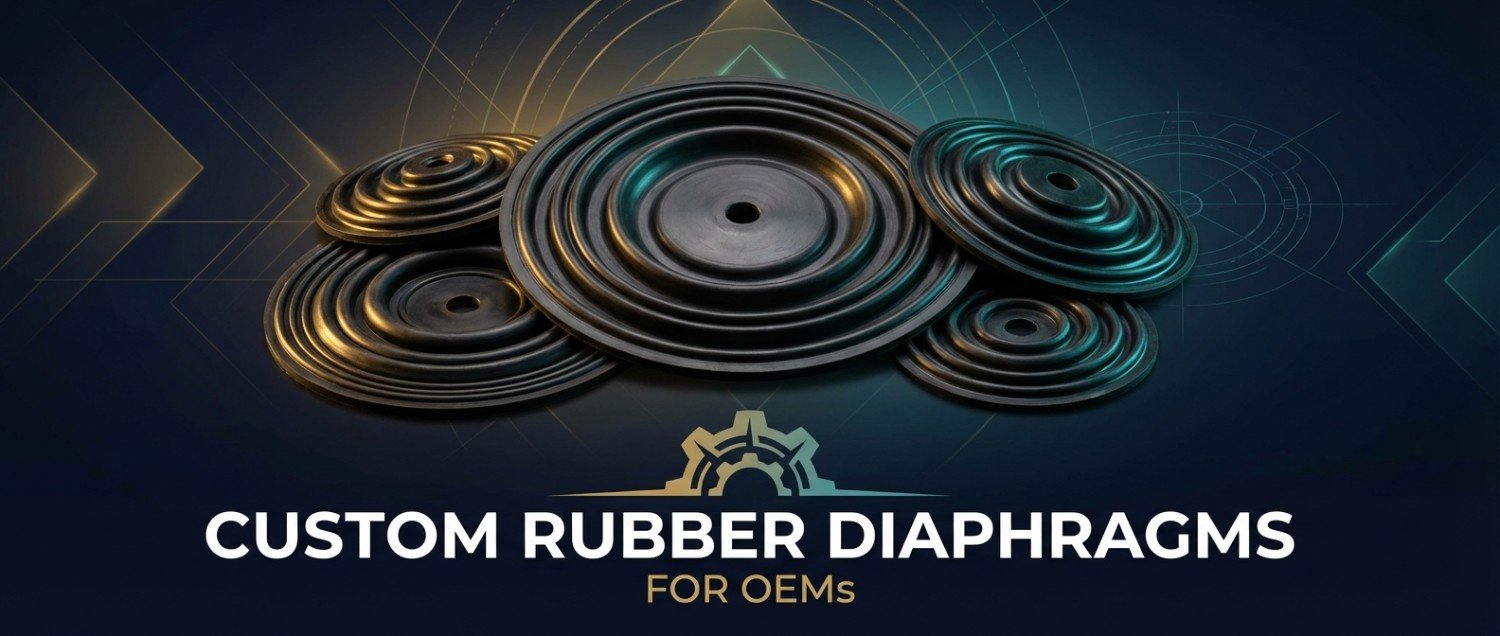
Custom Rubber Diaphragms for OEMs: From Design to Global Delivery

Custom Rubber Diaphragms for OEMs: From Design to Global Delivery

Custom Rubber Diaphragms for OEMs: From Design to Global Delivery

Custom Rubber Diaphragms for OEMs: From Design to Global Delivery

In many industrial systems, diaphragms play a critical role in controlling pressure, regulating fluid flow, and ensuring leak free operation. For OEM manufacturers across industries such as pumps, valves, chemical processing, and water treatment, selecting the right diaphragm is essential for equipment reliability and performance.

Custom engineered rubber diaphragms for OEMs allow manufacturers to meet precise technical requirements while ensuring long term durability in demanding applications. From initial design to global delivery, the manufacturing process requires close engineering collaboration and strict quality control.


Understanding OEM Requirements

Every diaphragm application is unique. OEM equipment manufacturers often operate under specific pressure conditions, temperature ranges, and chemical exposure environments.

During the design stage, several factors are evaluated:

  • Operating pressure and cycle frequency
  • Temperature range
  • Media compatibility
  • Flexibility and fatigue resistance
  • Dimensional tolerances

These parameters help determine the appropriate diaphragm construction and material selection.


Material Selection for Performance

Choosing the correct elastomer compound is critical for diaphragm performance. Common materials used in industrial rubber diaphragms include:

  • NBR (Nitrile Rubber): Excellent resistance to oils and fuels
  • EPDM: Ideal for water, steam, and weather-resistant applications
  • FKM (Viton): Suitable for aggressive chemicals and high temperatures
  • PTFE bonded diaphragms: Used for highly corrosive environments

For demanding industrial environments, PTFE bonded rubber diaphragms combine chemical resistance with the flexibility of elastomers, making them ideal for pumps and valve systems.


Precision Engineering & Manufacturing

Custom diaphragm manufacturing involves precise tooling and controlled molding processes to ensure dimensional accuracy and consistent performance.

Key steps in the manufacturing process include:

  • Engineering design and prototype development
  • Tooling and mold creation
  • Rubber compounding and molding
  • Bonding processes (for reinforced or PTFE diaphragms)
  • Finishing and inspection

Advanced manufacturing processes ensure the diaphragms maintain consistent thickness, flexibility, and fatigue resistance under repeated pressure cycles.


Quality Control & Testing

For OEM customers supplying equipment to global markets, quality consistency is essential.

Export grade rubber diaphragm manufacturers implement strict testing procedures such as:

  • Dimensional inspection
  • Hardness and tensile strength testing
  • Compression and fatigue evaluation
  • Chemical compatibility testing

Maintaining batch traceability and documentation ensures reliability across large production runs.


Global Supply for OEM Programs

Beyond manufacturing capability, reliable logistics and supply chain management are essential for OEM partnerships. Manufacturers must support consistent production schedules while delivering components to international markets.

Working with an experienced custom rubber diaphragm manufacturer and exporter ensures:

  • Consistent product quality
  • Scalable production capacity
  • Technical engineering support
  • Reliable global delivery timelines
[wp_comments]

Custom Rubber Diaphragms for OEMs: From Design to Global Delivery Read More »

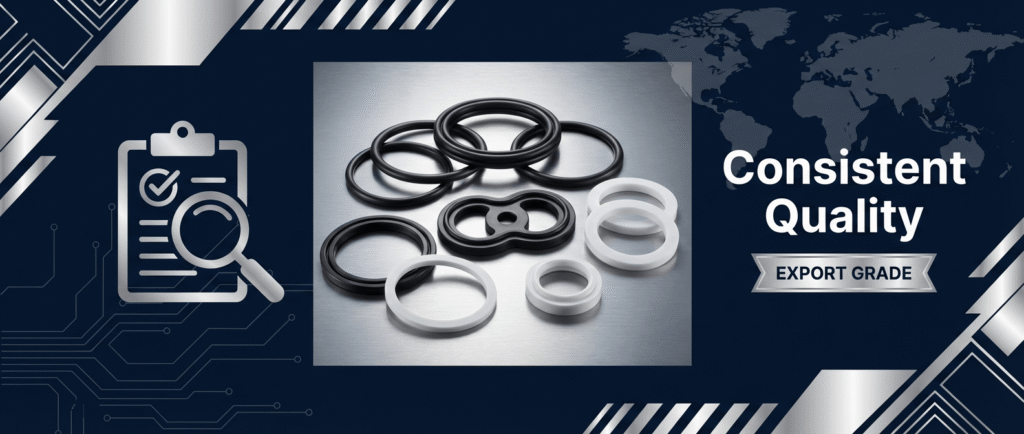
How We Ensure Consistent Quality in Export Grade Rubber & PTFE Products

How We Ensure Consistent Quality in Export Grade Rubber & PTFE Products

How We Ensure Consistent Quality in Export Grade Rubber & PTFE Products

How We Ensure Consistent Quality in Export Grade Rubber & PTFE Products

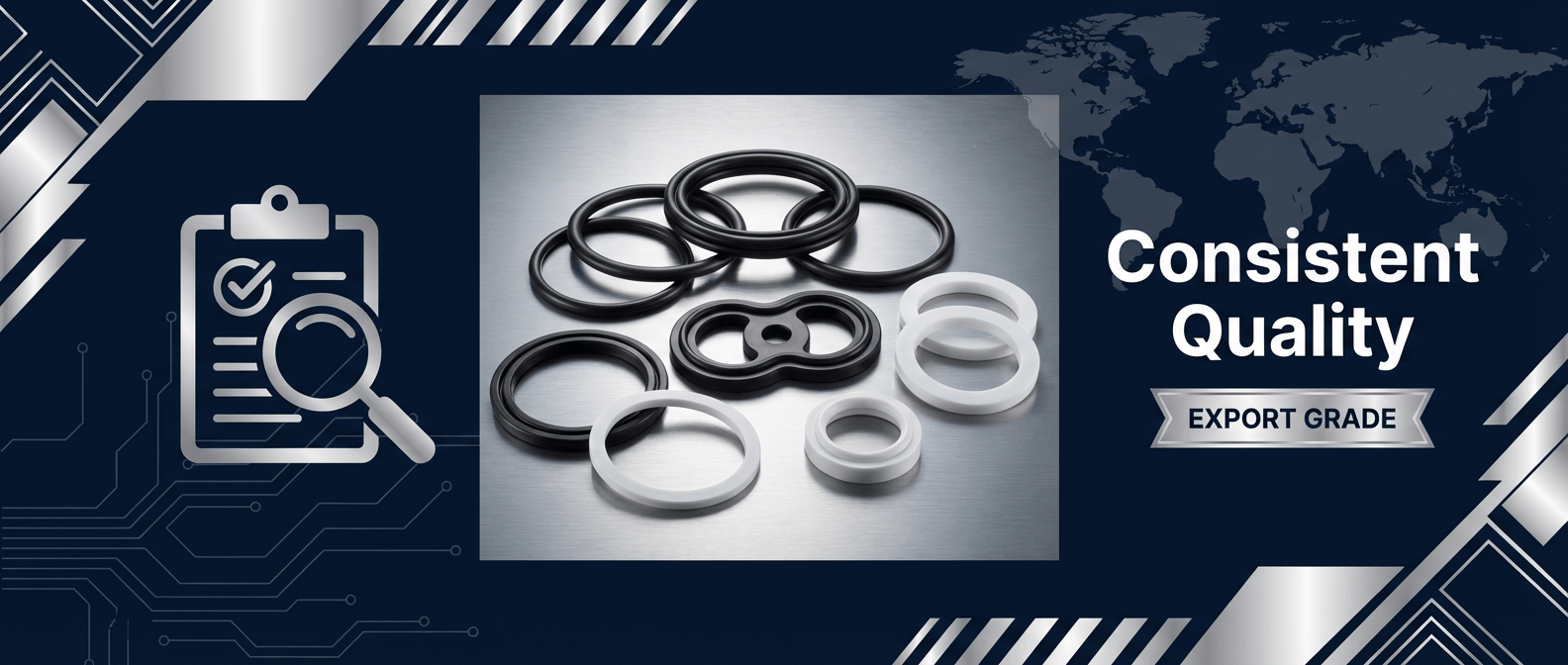
In global industrial supply chains, consistency is just as critical as performance. OEMs and distributors sourcing export grade rubber and PTFE products expect every batch to meet identical specifications; whether it is a diaphragm, gasket, O-ring, or bonded PTFE part.

At Arvico Rubber Industries, maintaining consistent quality is not just a quality control activity, but it is built into our manufacturing philosophy.

Controlled Raw Material Sourcing


Consistency begins at the source.

We procure high quality elastomers and PTFE resins from trusted and verified suppliers. Every incoming batch undergoes inspection to ensure:

  • Material purity
  • Mechanical properties
  • Chemical compatibility
  • Batch traceability

This ensures that every industrial rubber component and PTFE sealing solution performs reliably across all applications.

Standardised Manufacturing Processes


Export quality components require repeatable production.

Our end to end manufacturing model, from compounding to moulding and finishing allows us to control critical variables such as:

  • Temperature
  • Pressure
  • Cure time
  • Dimensional tolerances

By maintaining process stability, we ensure uniformity across high volume production runs for worldwide clients.

Precision Tooling & Engineering Control


For products like diaphragms, gaskets, and O-rings, tooling accuracy directly impacts sealing performance.

We use precision engineered moulds and calibrated production equipment to ensure:

  • Dimensional accuracy
  • Structural integrity
  • Surface finish consistency

This is especially critical for markets in Europe and North America, where performance standards are stringent.

Multi Level Quality Testing


Each component undergoes rigorous testing before dispatch.

Our testing protocols include:

  • Dimensional inspection
  • Hardness testing
  • Tensile strength verification
  • Compression set evaluation
  • Chemical compatibility check

These procedures ensure that every rubber component and PTFE part meets international performance expectations.

Batch Traceability & Documentation


Global buyers increasingly require supply chain transparency.

We maintain detailed production records to provide:

  • Batch traceability
  • Material certification
  • Inspection reports
  • Quality documentation

This helps OEM buyers meet regulatory and compliance requirements in their respective markets.

Continuous Process Improvement


Consistency is not static; it evolves.

Through continuous monitoring and feedback from export clients, we refine:

  • Material formulations
  • Tooling performance
  • Production parameters

This ensures long term reliability across applications such as pumps, valves, fluid handling systems, and chemical processing equipment.

Delivering consistent export quality rubber and PTFE products requires more than manufacturing capability; it demands disciplined processes, engineering precision, and strict quality governance. At Arvico Rubber Industries controlling every stage of production, from raw material sourcing to final inspection is thought through, we ensure that global buyers receive reliable, high performance sealing solutions every time.

[wp_comments]

How We Ensure Consistent Quality in Export Grade Rubber & PTFE Products Read More »

Die Cut vs. Moulded Rubber Gaskets: Which Is Right for Your Project?

Die Cut vs. Moulded Rubber Gaskets: Which Is Right for Your Project?

Die Cut vs. Moulded Rubber Gaskets: Which Is Right for Your Project?

Die Cut vs. Moulded Rubber Gaskets: Which Is Right for Your Project?

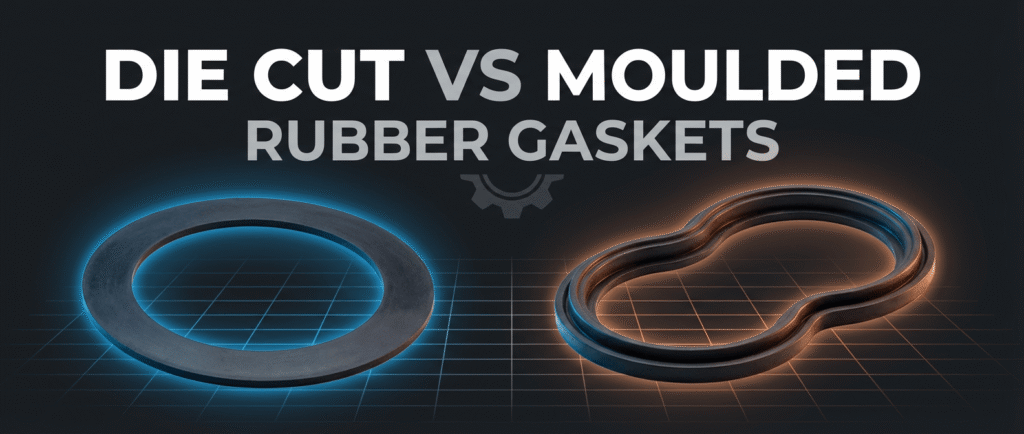
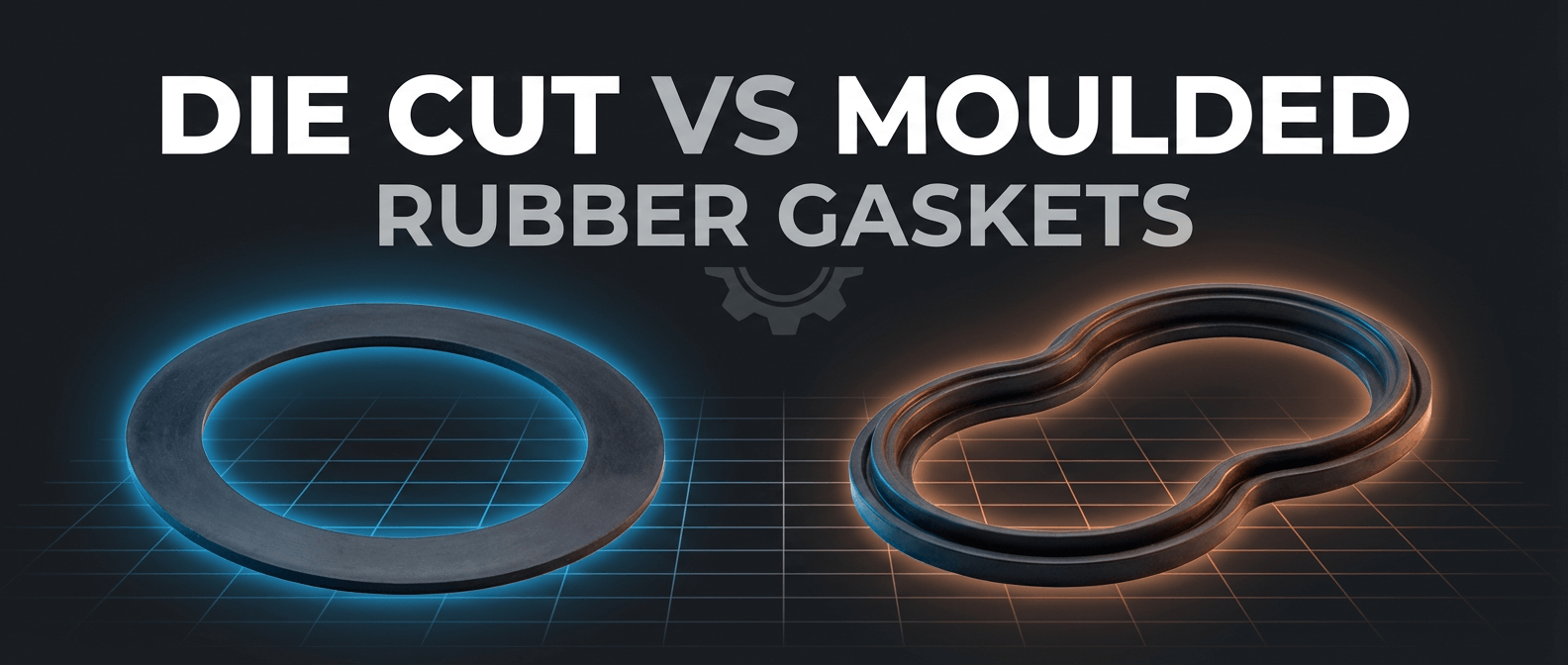
Selecting the right gasket manufacturing method is just as important as choosing the right material. When designing sealing solutions, engineers often evaluate two common options: die cut rubber gaskets and moulded rubber gaskets. Both offer reliable sealing performance, but their suitability depends on design complexity, production volume, pressure requirements, and application environment.


What Are Die Cut Rubber Gaskets?

Die cut gaskets are produced by cutting gasket shapes from rubber sheets using precision dies. This method is ideal for flat gasket designs with consistent thickness.

Advantages of Die Cut Gaskets

  • Cost effective for low to medium production volumes
  • Quick turnaround time
  • Suitable for simple and flat profiles
  • Ideal for prototyping and short runs

Limitations

  • Limited to sheet thickness availability
  • Not suitable for complex 3D geometries
  • Lower performance in high-pressure dynamic applications


What Are Moulded Rubber Gaskets?

Moulded gaskets are manufactured through compression or injection moulding, where rubber is shaped within a custom tool to achieve precise dimensions and complex geometries.

Advantages of Moulded Gaskets

  • Suitable for intricate and custom designs
  • Superior dimensional accuracy
  • Better performance in high pressure applications
  • Integrated features like grooves or sealing lips

Limitations

  • Higher tooling cost
  • Longer development time
  • More economical for medium to high production volumes


Key Differences at a Glance

PARAMETER DIE CUT GASKETS MOULDED GASKETS

TOOLING INVESTMENT

LOW

MODERATE TO HIGH

DESIGN FLEXIBILITY

LIMITED TO FLAT SHAPES

COMPLEX 3D DESIGNS POSSIBLE

DIMENSIONAL PRECISION

MODERATE

HIGH REPEATABILITY

VOLUME SUSTAINBILITY

LOW-MEDIUM

MEDIUM-HIGH

PERFORMANCE IN CRITICAL APPLICATIONS

MODERATE

EXCELLENT

Die Cut Rubber Gaskets for OEM Applications

Die cut gaskets are manufactured by precision cutting rubber sheets into required profiles. They are ideal for flat, two dimensional sealing designs.

Best for OEMs when

  • The gasket profile is flat and simple
  • Rapid prototyping is required
  • Production volumes are low to moderate
  • Tooling investment needs to be minimal
  • Static sealing applications are involved

Typical OEM Applications

  • Electrical enclosures
  • HVAC systems
  • Panel sealing
  • Light duty flange connections

Die cutting offers shorter development cycles and cost efficiency, making it suitable during early stage product development or limited production runs. However, dimensional tolerances are limited by sheet variation, and the method is not suitable for complex geometries or high pressure dynamic applications.


Moulded Rubber Gaskets for OEM Applications

Moulded gaskets are produced using compression or injection moulding processes with dedicated tooling. This method allows for precise geometry, integrated sealing features, and consistent dimensional control.

Best for OEMs when

  • The design includes grooves, lips, ribs, or 3D profiles
  • Tight tolerances are critical
  • The application involves high pressure or temperature
  • Medium to high production volumes are planned
  • Long term durability and repeatability are essential

Typical OEM Applications

  • Pump and valve assemblies
  • Automotive systems
  • Oil & gas equipment
  • Chemical processing machinery

Although tooling costs are higher initially, moulded rubber gaskets offer superior repeatability, structural integrity, and performance consistency, crucial for OEM supply chains.


Which Gasket Is Right for Your Application?

Choose die cut rubber gaskets if:

  • Your design is flat and simple
  • You need quick production
  • Budget constraints are important
  • You are in the prototyping stage

Choose moulded rubber gaskets if:

  • The design requires custom geometry
  • The application involves high pressure or temperature
  • Long-term durability is critical
  • You need integrated sealing features
[wp_comments]

Die Cut vs. Moulded Rubber Gaskets: Which Is Right for Your Project? Read More »

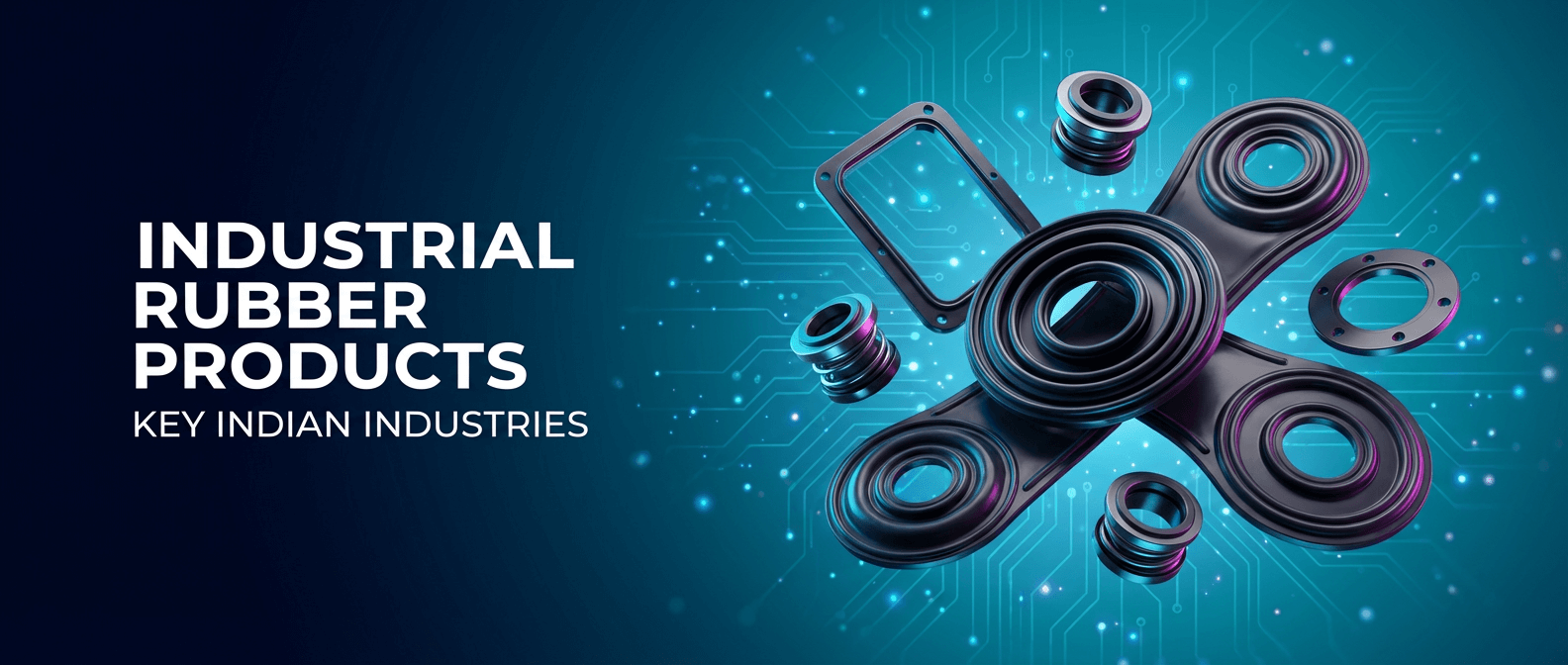
Industrial Rubber Products Used Across Key Indian Industries

Industrial Rubber Products Used Across Key Indian Industries

Industrial Rubber Products Used Across Key Indian Industries

Industrial Rubber Products Used Across Key Indian Industries

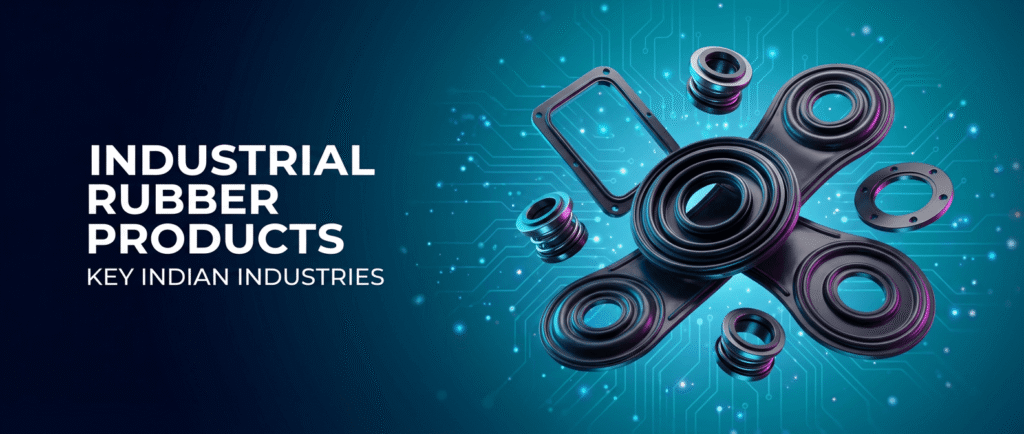
Industrial rubber products play a critical role in ensuring safety, efficiency, and reliability across India’s core industrial sectors. From high pressure oil pipelines to pharmaceutical processing lines, engineered rubber components are essential for sealing, vibration control, fluid handling, and chemical resistance.


Oil & Gas Industry

The oil & gas sector demands sealing solutions that can withstand high pressure, aggressive hydrocarbons, and extreme temperatures. Rubber components used in this industry must offer excellent resistance to fuels, oils, and chemicals.

Common rubber products used:

  • O-rings and gaskets
  • Rubber diaphragms
  • Oil resistant seals
  • Expansion joints
  • Rubber linings

Materials such as NBR and Viton are widely used due to their resistance to petroleum based fluids. High performance rubber seals help prevent leakage, ensure operational safety, and extend equipment life in refineries and offshore operations.


Pharmaceutical Industry

The pharmaceutical sector requires hygienic, non contaminating, and chemically stable rubber components. Compliance with FDA and international standards is essential.

Common applications:

  • Silicone rubber gaskets
  • PTFE lined rubber diaphragms
  • Hygienic O-rings
  • Rubber stoppers and seals

Medical grade silicone and EPDM are commonly used for their purity, heat resistance, and compatibility with steam sterilization. Custom moulded rubber components ensure contamination free processing in reactors, pumps, and filling systems.


Water Treatment & Infrastructure

With increasing investments in water infrastructure and wastewater treatment, industrial rubber components play a vital role in managing fluid systems.

Key rubber products include:

  • EPDM gaskets and seals
  • Rubber expansion joints
  • Valve seals
  • Membranes/Diaphragms

EPDM rubber is particularly suitable due to its excellent resistance to water, ozone, and weathering. Durable rubber sealing solutions prevent leaks and maintain pressure in pipelines and treatment plants.


Chemical Processing Industry

Chemical plants operate under highly corrosive environments where sealing failure can result in operational downtime and safety risks.

Typical rubber components used:

  • Chemical resistant gaskets
  • PTFE bonded rubber diaphragms
  • Custom moulded seals
  • Anti corrosive rubber linings

Materials such as Viton, EPDM, and PTFE backed rubber components provide resistance against acids, solvents, and aggressive chemicals. Selecting the right compound ensures longer service life and reduced maintenance costs.

The Importance of Material Selection & Quality Standards

Across all industries, selecting the right rubber compound is crucial. Factors such as temperature range, chemical compatibility, pressure rating, and compliance requirements must be evaluated carefully.

From oil & gas to pharmaceuticals, water treatment, and chemical processing, industrial rubber products form the backbone of critical infrastructure. As India strengthens its position as a global manufacturing hub, demand for reliable, high performance rubber sealing solutions continues to grow.

[wp_comments]

Industrial Rubber Products Used Across Key Indian Industries Read More »

Common O-Ring Materials Explained: NBR vs EPDM vs FKM vs Silicone

Common O-Ring Materials Explained: NBR vs EPDM vs FKM vs Silicone

Common O-Ring Materials Explained: NBR vs EPDM vs FKM vs Silicone

Common O-Ring Materials Explained: NBR vs EPDM vs FKM vs Silicone

O-rings are one of the most widely used sealing components across industries such as automotive, chemical processing, pumps and valves, food processing, and pharmaceuticals. While the design of an O-ring may seem simple, selecting the right O-ring material is critical for ensuring leak free performance, durability, and compatibility with operating conditions.

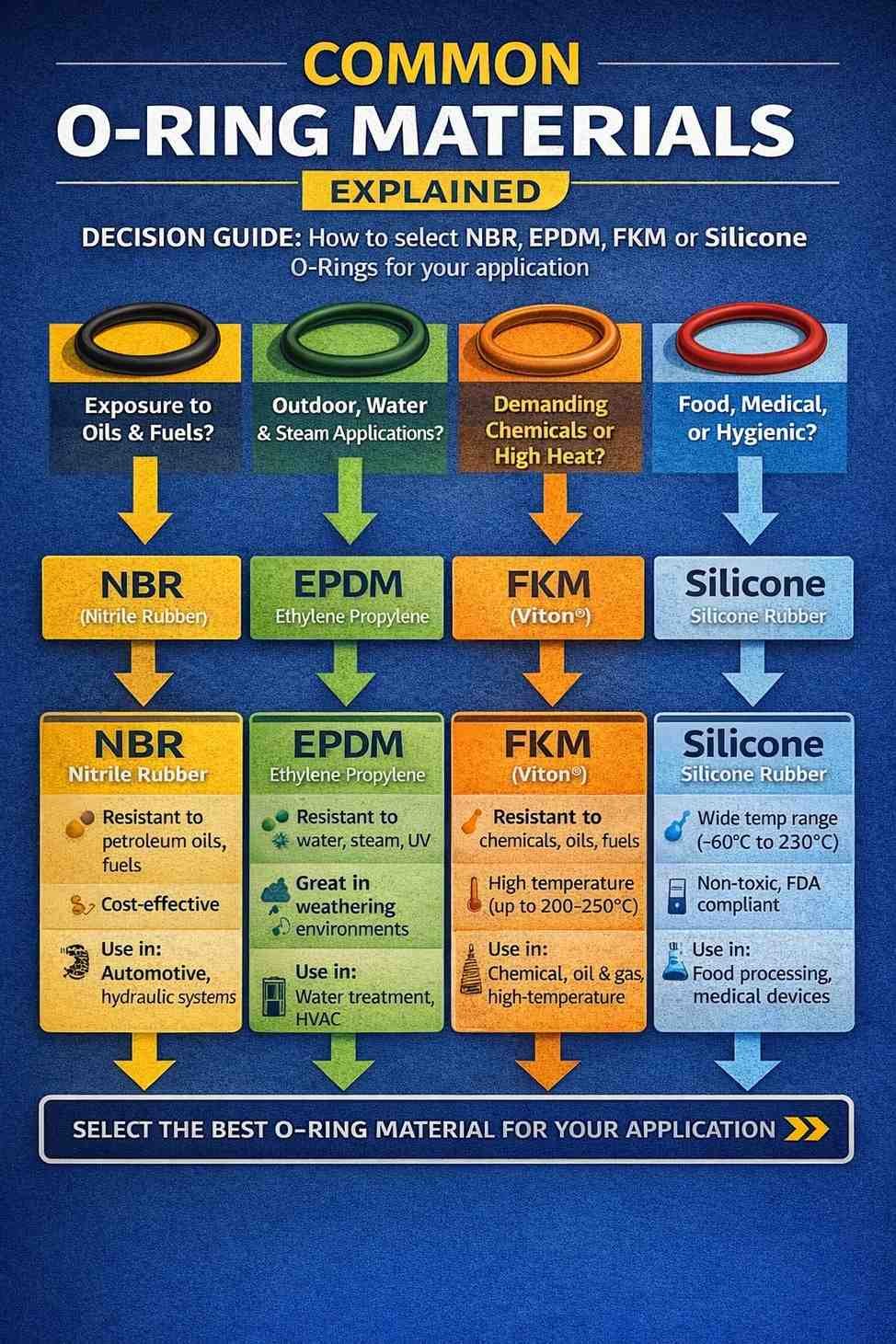
Among the most common O-ring materials are NBR, EPDM, FKM, and Silicone. Each offers distinct advantages depending on temperature, chemical exposure, pressure, and application requirements.

Common O-Ring Materials Explained: NBR vs EPDM vs FKM vs Silicone

NBR (Nitrile Rubber) O-Rings

NBR is one of the most widely used O-ring materials due to its excellent resistance to oils and fuels.

Properties

  • Excellent resistance to petroleum oils, greases, and fuels
  • Good mechanical strength and abrasion resistance
  • Cost-effective for high-volume applications
  • Operating temperature range: -40°C to 120°C

Limitations

  • Poor resistance to ozone, UV, and weathering
  • Not suitable for strong acids or polar solvents

Applications
Hydraulic systems, automotive components, fuel systems, pumps, and valves.


EPDM O-Rings

EPDM rubber is known for its outstanding resistance to water, steam, and weathering, making it ideal for outdoor and water-based applications.

Properties

  • Excellent resistance to hot water, steam, and mild chemicals
  • Superior resistance to ozone, UV, and ageing
  • Operating temperature range: –50°C to 150°C

Limitations

  • Not compatible with oils, fuels, or hydrocarbons

Applications
Water treatment systems, HVAC equipment, steam applications, and food-grade sealing (with approved compounds).


FKM (Viton) O-Rings

Viton is a high performance elastomer designed for demanding chemical and high temperature environments.

Properties

  • Excellent resistance to fuels, oils, solvents, and chemicals
  • High temperature capability up to 200-250°C
  • Low compression set and long service life

Limitations

  • Higher cost compared to NBR and EPDM
  • Limited flexibility at very low temperatures

Applications
Chemical processing equipment, oil & gas systems, aerospace, and high-temperature industrial sealing.


Silicone O-Rings

Silicone rubber offers exceptional temperature flexibility and is widely used in hygienic and sensitive applications.

Properties

  • Wide operating temperature range: -60°C to 230°C
  • Excellent flexibility and low temperature performance
  • Nontoxic and suitable for food and medical applications
  • Good resistance to UV and ozone

Limitations

  • Lower tear and abrasion resistance
  • Limited resistance to fuels and solvents

Applications
Food processing equipment, medical devices, electronics, and static sealing applications.


Choosing the Right O-Ring Material

When selecting an O-ring material, engineers must evaluate:

  • Operating temperature and pressure
  • Type of fluid or chemical media
  • Environmental exposure 
  • Compliance with international standards and certifications

Choosing the correct material ensures longer service life, reduced maintenance, and improved system reliability. NBR, EPDM, FKM, and Silicone O-rings each serve specific industrial needs. Understanding their material properties and limitations is essential for selecting the right sealing solution. 

[wp_comments]

Common O-Ring Materials Explained: NBR vs EPDM vs FKM vs Silicone Read More »

How to Select the Right Gasket Material for High Temperature & Chemical Applications

How to Select the Right Gasket Material for High Temperature & Chemical Applications

How to Select the Right Gasket Material for High Temperature & Chemical Applications

How to Select the Right Gasket Material for High Temperature & Chemical Applications

Selecting the right gasket material is critical for ensuring leak free performance, safety and long service life in high temperature and chemically aggressive industrial environments. Gaskets are often the first to defend against fluid or gas leakage in pumps, valves, heat exchangers, and more. Choosing as unsuitable material can lead to premature failure, unplanned downtime, and costly maintenance.


Understand Operating Temperature Ranges

Temperature is one of the most important criteria when selecting gasket materials. Excessive heat can cause rubber gaskets to harden, crack, or lose elasticity, while extreme cold may reduce flexibility.

Common high temperature gasket materials include:

  • PTFE: Withstands temperatures up to 260°C and offers phenomenal dimensional stability.
  • Graphite filled PTFE: Suitable for even higher temperatures and improved deformation resistance.
  • FKM (Viton): Ideal for applications up to 200–250°C with good chemical resistance.
  • Silicone rubber: Performs well at high temperatures but has limited chemical resistance.

Matching the gasket material’s temperature rating with real operating conditions is essential for long term sealing performance. 


Evaluate Chemical Compatibility

Chemical compatibility directly impacts gasket life and sealing efficiency. Exposure to incompatible chemicals can cause swelling, softening, brittleness, or chemical attack.

Key considerations include:

  • Type of chemicals (acids, alkalis, solvents, hydrocarbons)
  • Concentration and exposure duration
  • Presence of mixed or fluctuating chemicals

PTFE Gaskets are widely preferred for chemical applications due to their mostly all types of chemical resistance. EPDM performs well with water, steam and mild chemicals but is unsuitable for oils and hydrocarbons. Nitrile (NBR) is ideal for oils and fuels but not for strong acids.


Consider Pressure and Mechanical Stress

High temperatures and chemical applications often involve elevated pressures. The gasket material must maintain sealing integrity under compression without excessive deformation.

For high pressure systems:

  • Use reinforced or filled PTFE gaskets
  • Consider metal reinforced or composite gasket designs
  • Ensure correct hardness and compression set properties

Selecting the correct gasket thickness and material density is equally important to prevent extrusion or blow out.


Account for Industry Standards & Compliance

Export oriented industries must ensure gasket materials comply with international standards and certifications. Depending on the application, look for materials that meet:

  • FDA or USP standards (pharmaceutical & food industries)
  • ASTM and DIN specifications
  • RoHS and REACH compliance for European markets

Certified gasket materials improve reliability and help meet global regulatory requirements.


Customisation & Application Specific Design

No two applications are identical. Custom gasket design by considering flange type, surface finish, bolt load, and sealing media, can significantly improve performance in high temperature and chemical environments.

Working with an experienced gasket manufacturer enables:

  • Material recommendations based on real operating conditions
  • Custom moulded or machined gasket solutions
  • Improved service life and reduced maintenance costs


Selecting the right gasket material for high temperature and chemical applications requires a careful balance of temperature resistance, chemical compatibility, pressure performance, and compliance standards. PTFE, advanced rubber compounds, and engineered composites offer reliable solutions when chosen correctly.

[wp_comments]

How to Select the Right Gasket Material for High Temperature & Chemical Applications Read More »